
Ingredient Lab
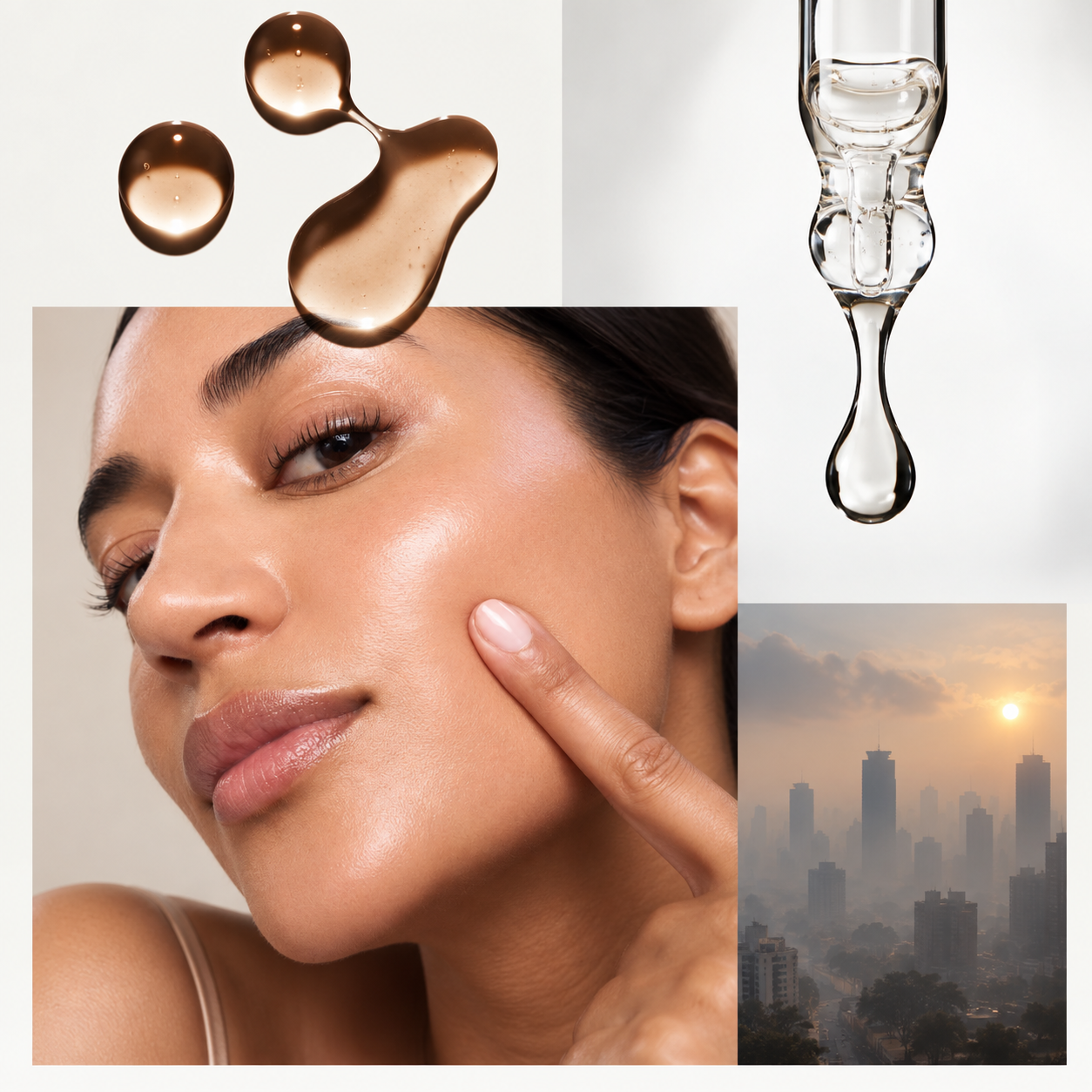
Ectoin is the anti-pollution skincare ingredient to know in 2026
Read Now


Just when we thought K-beauty had peaked with PDRN, it gave us another buzzy skincare ingredient to obsess over. Exosomes are popping up everywhere, from skin treatments at dermatology clinics to bottled formulas on beauty shelves. Often described as microscopic messengers, they’re being positioned as a clever new way to support skin repair.
Naturally, their futuristic appeal and regenerative promise have earned them plenty of attention from beauty enthusiasts, but they’ve also raised a few questions. What exactly are exosomes? How do they work when applied to the skin? And are they genuinely the next big breakthrough or just another passing trend? If your curiosity, like ours, is through the roof, here’s your comprehensive guide to exosome skincare.
Did you know that your cells are constantly chatting with each other? Exosomes help make it possible. They are tiny, membrane-wrapped vesicles naturally released by cells as a way of communicating with one another. Measuring just a fraction of the width of a human hair, each one carries a mix of biological instructions, including proteins, lipids and genetic material such as RNA. Once released, these microscopic packages travel to other cells, where they can deliver their contents and influence how the receiving cells behave. Sounds a bit too sci-fi to be true? We get it. Let’s decode it even further.
Exosomes are kind of like your body’s internal courier service. The original cell packs the message, the exosome protects it in transit and another cell receives the delivery. Because these messages can help regulate inflammation, support collagen production, and help with repair and tissue renewal, exosomes have become a major area of interest in regenerative medicine and, inevitably, beauty.
Today, exosomes are used in professional skin treatments at clinics and are also beginning to appear in at-home serums, creams and masks. In in-clinic treatments, exosomes may refer to vesicles sourced from cultured human cells, including stem cells, while some topical formulas use plant-derived or lab-engineered “exosome-like” particles. It is important to remember, though, that while the early research is promising, it is still limited. In particular, we still have a lot to learn about how well the topical formulas work.
PDRN may have introduced us to regenerative skincare, but exosomes are beginning to take over the conversation. It’s safe to say that exosomes have all the ingredients of a breakout trend: they sound wonderfully futuristic, promise to support repair and renewal, and are slowly making their way from dermatology clinics into products you can use at home. They also fit neatly into the beauty industry’s current fixation with skin longevity and enhancing the natural complexion, rather than masking the signs of damage. So, are they about to become the next PDRN? Quite possibly. The early research is encouraging and the buzz is certainly building, but the category is still relatively new. For now, it’s best to think of exosomes as an exciting new chapter in skincare rather than a miracle ingredient that will completely change the game.
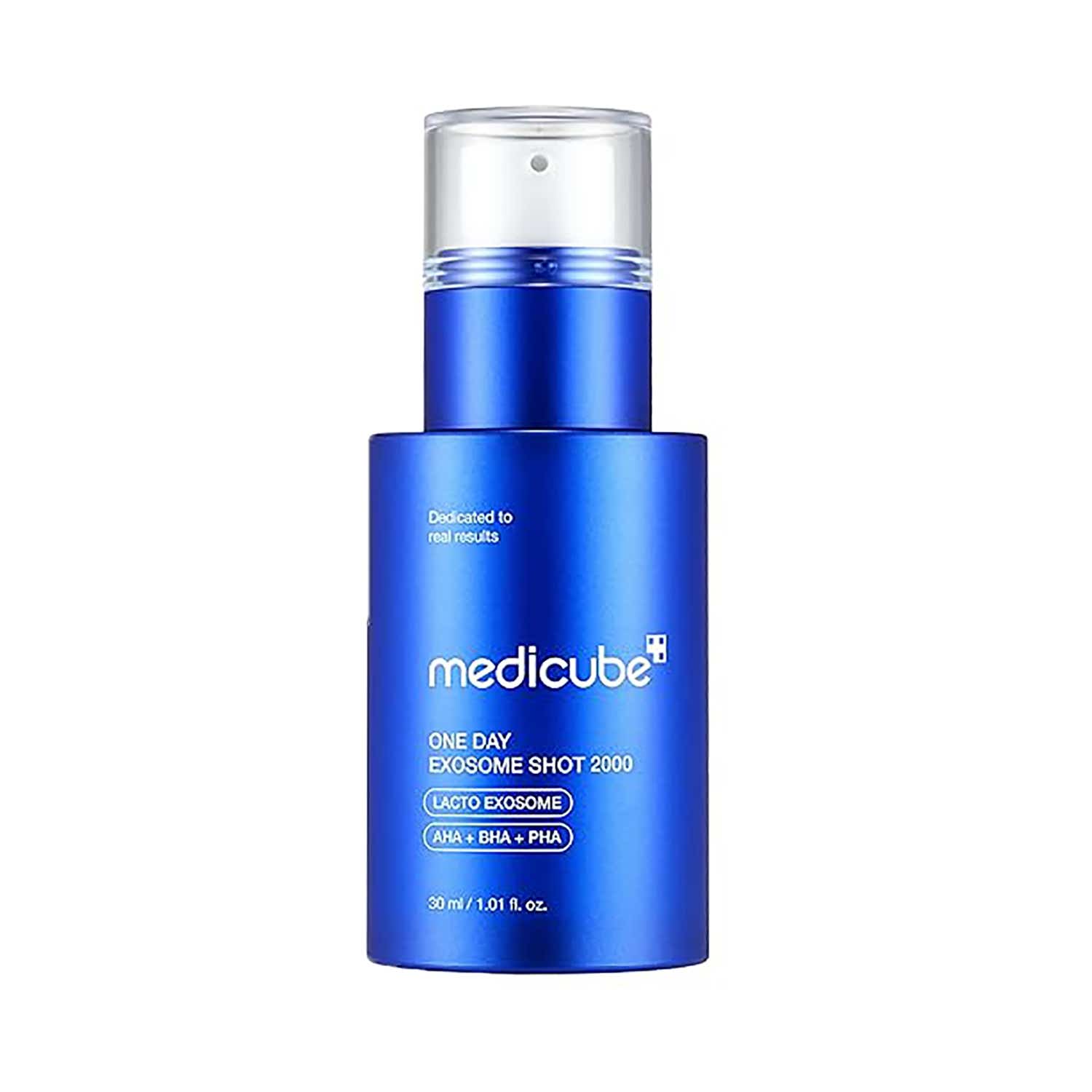
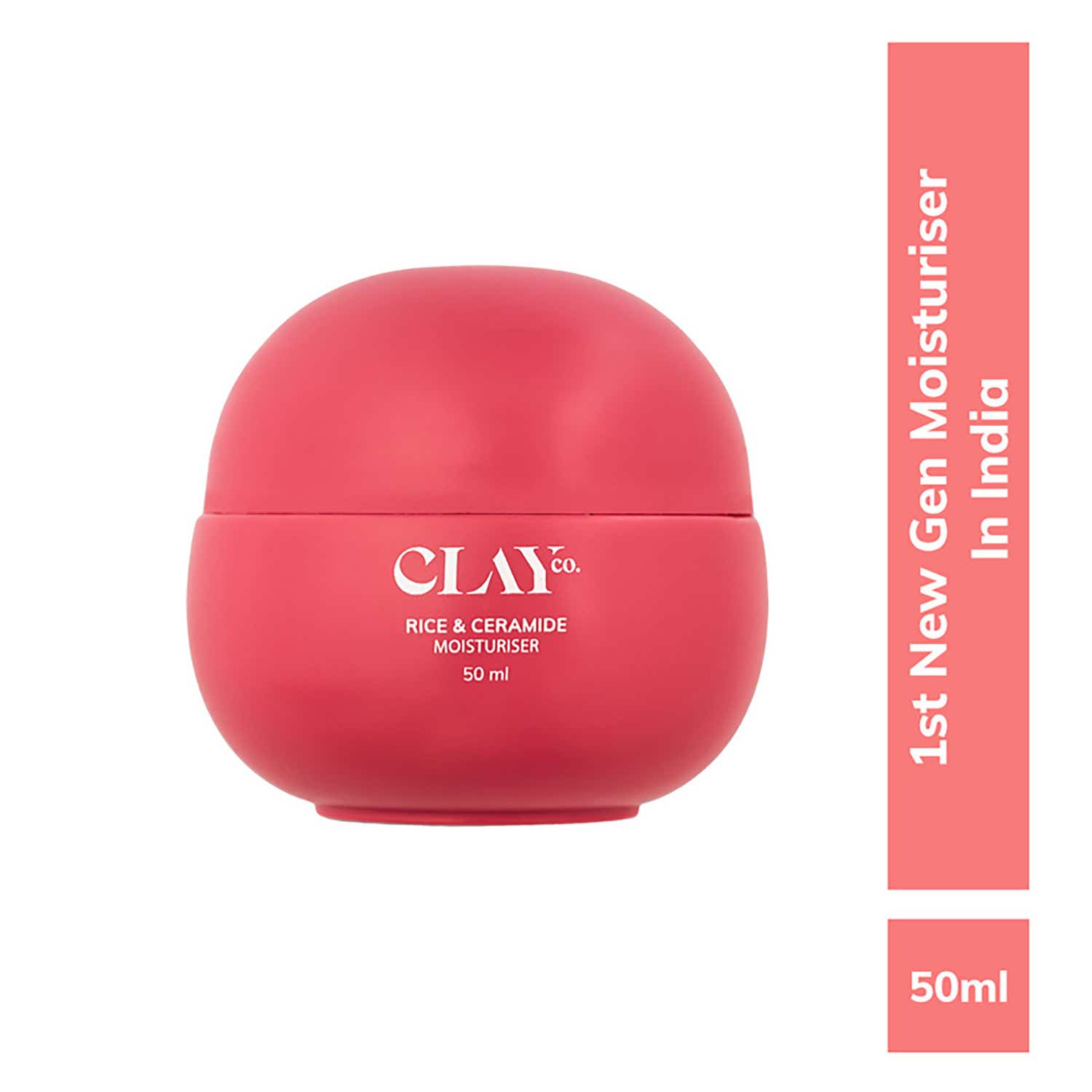
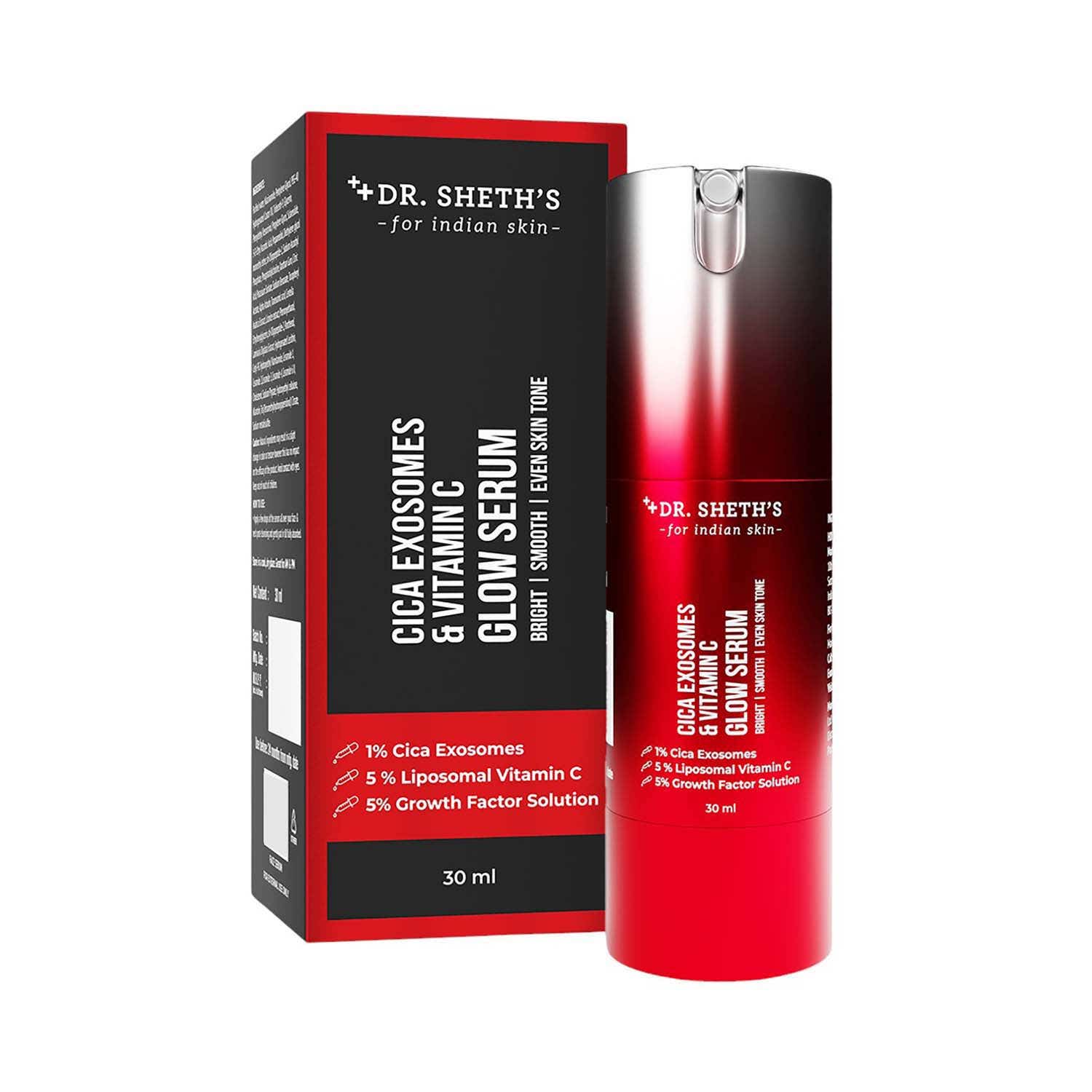
If you’re curious about exosomes but not quite ready to book an in-clinic treatment, topical formulas are the easiest place to start. Exosomes can be found in various products and formulas designed to support hydration and skin repair. You can use them after cleansing and before moisturising, but remember to introduce them gradually, especially if the rest of your routine already includes strong actives. Here are a few exosome-infused picks you can add to your routine.
Did you know that your cells are constantly chatting with each other? Exosomes help make it possible. They are tiny, membrane-wrapped vesicles naturally released by cells as a way of communicating with one another. Measuring just a fraction of the width of a human hair, each one carries a mix of biological instructions, including proteins, lipids and genetic material such as RNA. Once released, these microscopic packages travel to other cells, where they can deliver their contents and influence how the receiving cells behave. Sounds a bit too sci-fi to be true? We get it. Let’s decode it even further.
Exosomes are kind of like your body’s internal courier service. The original cell packs the message, the exosome protects it in transit and another cell receives the delivery. Because these messages can help regulate inflammation, support collagen production, and help with repair and tissue renewal, exosomes have become a major area of interest in regenerative medicine and, inevitably, beauty.
Today, exosomes are used in professional skin treatments at clinics and are also beginning to appear in at-home serums, creams and masks. In in-clinic treatments, exosomes may refer to vesicles sourced from cultured human cells, including stem cells, while some topical formulas use plant-derived or lab-engineered “exosome-like” particles. It is important to remember, though, that while the early research is promising, it is still limited. In particular, we still have a lot to learn about how well the topical formulas work.
PDRN may have introduced us to regenerative skincare, but exosomes are beginning to take over the conversation. It’s safe to say that exosomes have all the ingredients of a breakout trend: they sound wonderfully futuristic, promise to support repair and renewal, and are slowly making their way from dermatology clinics into products you can use at home. They also fit neatly into the beauty industry’s current fixation with skin longevity and enhancing the natural complexion, rather than masking the signs of damage. So, are they about to become the next PDRN? Quite possibly. The early research is encouraging and the buzz is certainly building, but the category is still relatively new. For now, it’s best to think of exosomes as an exciting new chapter in skincare rather than a miracle ingredient that will completely change the game.
If you’re curious about exosomes but not quite ready to book an in-clinic treatment, topical formulas are the easiest place to start. Exosomes can be found in various products and formulas designed to support hydration and skin repair. You can use them after cleansing and before moisturising, but remember to introduce them gradually, especially if the rest of your routine already includes strong actives. Here are a few exosome-infused picks you can add to your routine.


Did you know that your cells are constantly chatting with each other? Exosomes help make it possible. They are tiny, membrane-wrapped vesicles naturally released by cells as a way of communicating with one another. Measuring just a fraction of the width of a human hair, each one carries a mix of biological instructions, including proteins, lipids and genetic material such as RNA. Once released, these microscopic packages travel to other cells, where they can deliver their contents and influence how the receiving cells behave. Sounds a bit too sci-fi to be true? We get it. Let’s decode it even further.
Exosomes are kind of like your body’s internal courier service. The original cell packs the message, the exosome protects it in transit and another cell receives the delivery. Because these messages can help regulate inflammation, support collagen production, and help with repair and tissue renewal, exosomes have become a major area of interest in regenerative medicine and, inevitably, beauty.
Today, exosomes are used in professional skin treatments at clinics and are also beginning to appear in at-home serums, creams and masks. In in-clinic treatments, exosomes may refer to vesicles sourced from cultured human cells, including stem cells, while some topical formulas use plant-derived or lab-engineered “exosome-like” particles. It is important to remember, though, that while the early research is promising, it is still limited. In particular, we still have a lot to learn about how well the topical formulas work.
PDRN may have introduced us to regenerative skincare, but exosomes are beginning to take over the conversation. It’s safe to say that exosomes have all the ingredients of a breakout trend: they sound wonderfully futuristic, promise to support repair and renewal, and are slowly making their way from dermatology clinics into products you can use at home. They also fit neatly into the beauty industry’s current fixation with skin longevity and enhancing the natural complexion, rather than masking the signs of damage. So, are they about to become the next PDRN? Quite possibly. The early research is encouraging and the buzz is certainly building, but the category is still relatively new. For now, it’s best to think of exosomes as an exciting new chapter in skincare rather than a miracle ingredient that will completely change the game.
If you’re curious about exosomes but not quite ready to book an in-clinic treatment, topical formulas are the easiest place to start. Exosomes can be found in various products and formulas designed to support hydration and skin repair. You can use them after cleansing and before moisturising, but remember to introduce them gradually, especially if the rest of your routine already includes strong actives. Here are a few exosome-infused picks you can add to your routine.