
Ingredient Lab
The pigmentation pairing dermats keep reaching for: tranexamic acid + azelaic acid
Read Now


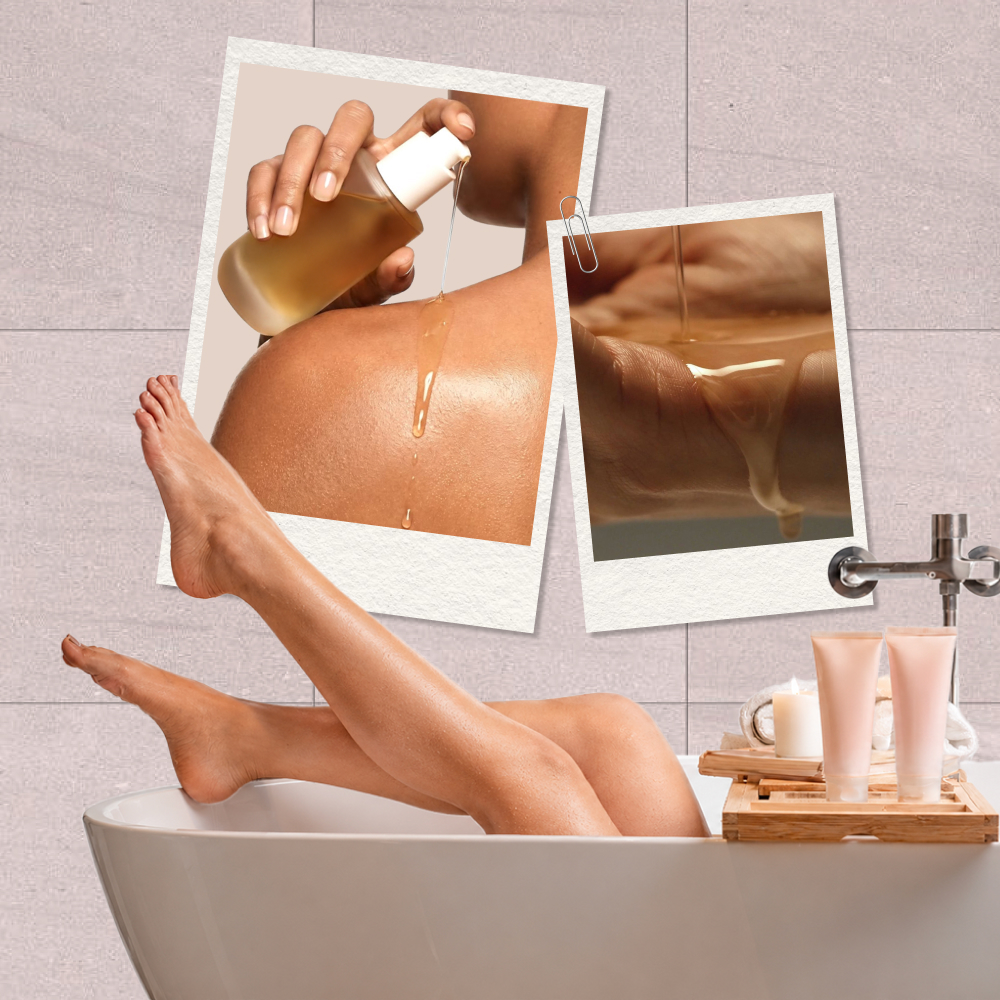

Until recently, my body care routine was surprisingly basic. While my face had an elaborate routine complete with cleansers, serums, acids and SPF, the rest of my body rarely got more than a body wash and moisturiser. I never questioned it either. Somewhere along the way, I'd accepted that active ingredients belonged in facial skincare, while body care was simply about keeping dryness at bay.
That changed when I started noticing something I couldn't unsee. Many of the concerns I was trying so hard to treat on my face—uneven skin tone, texture, clogged pores and dullness—were showing up elsewhere too. The difference was that I'd simply learnt to live with them. Rough elbows, tiny bumps on my arms and post-shave ingrown hairs had quietly become part of my skin, rather than concerns I thought were worth addressing.
Curiosity got the better of me, and I decided to introduce actives into my body care routine the same way I had with my face: slowly. No dramatic routine overhaul, no cupboard full of new products. Just a few targeted ingredients, used consistently enough to see whether they actually lived up to the hype.
A few months later, I'm glad I gave them the chance.Minimalist Niacinamide 5% Body Lotion With Shea Butter Glycerine & Betaine (180g)
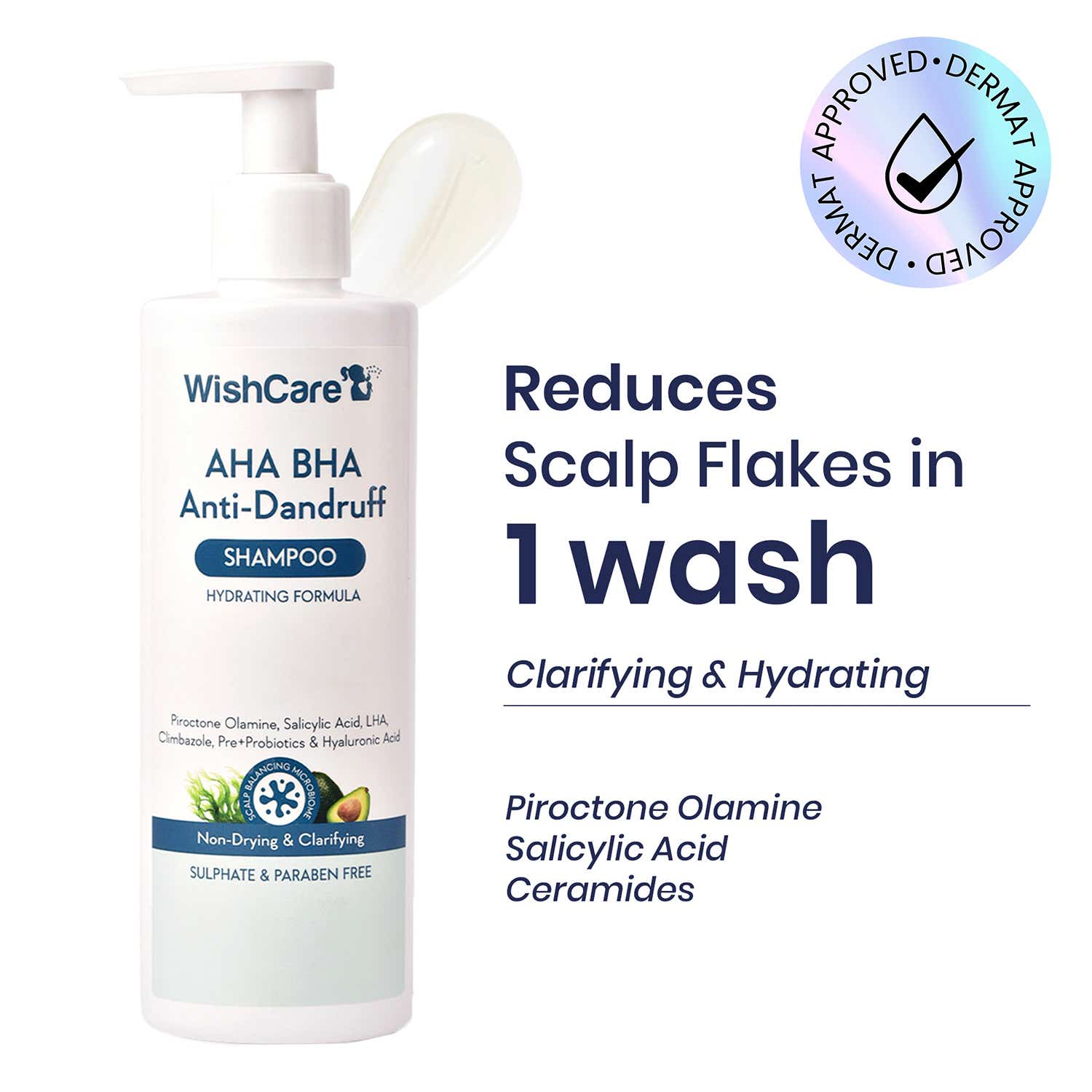
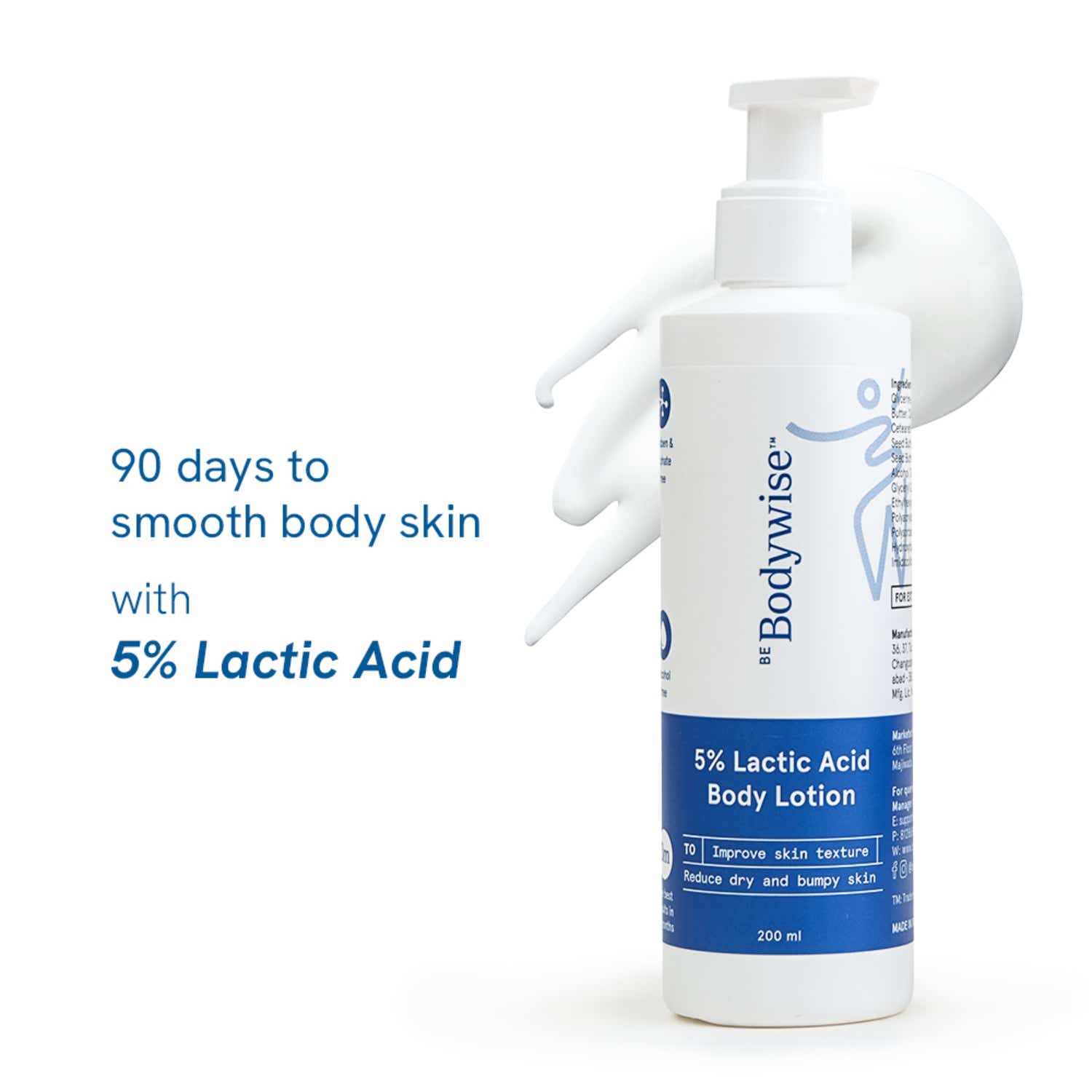
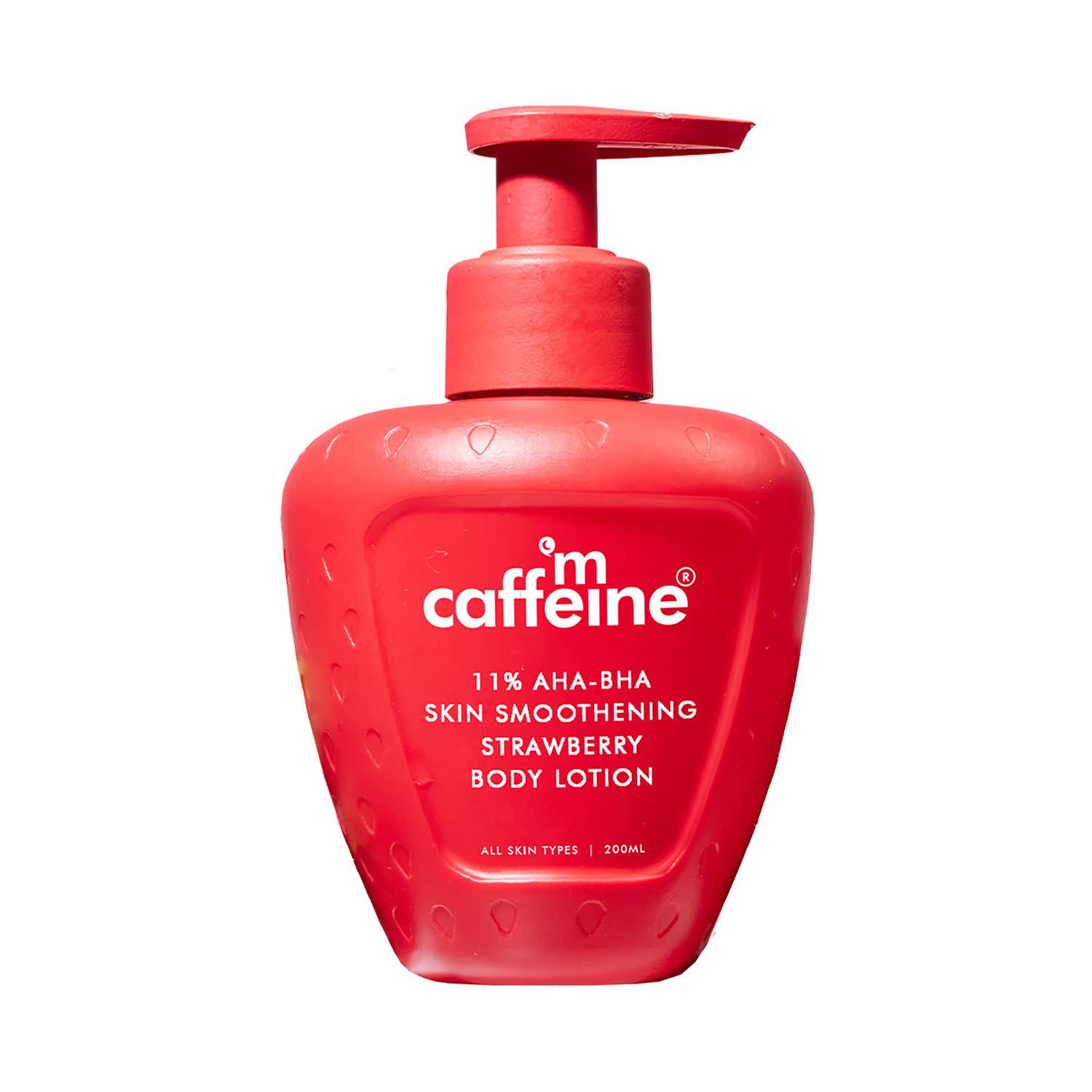

This is made for the scalp that flakes because it's parched, not because it's oily. The AHA-BHA combo in WishCare’s hydrating formula exfoliates dead skin and buildup while a hydrating base stops the shampoo from stripping your lengths bone-dry, which is the usual trade-off with anti-dandruff formulas.
For years, I thought smooth skin came down to how well I scrubbed. Every weekend I'd reach for a body scrub, convinced that if I exfoliated a little harder or a little longer, I'd finally get rid of rough patches for good. It always felt satisfying in the moment, but the results were frustratingly short-lived. Within a day or two, my skin would feel exactly the way it had before.
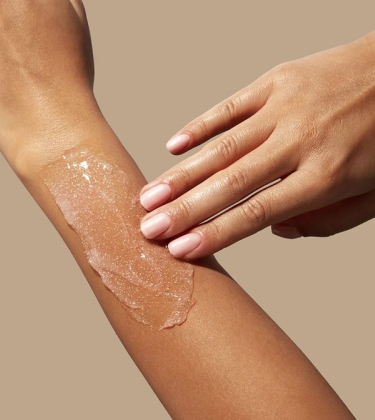
Introducing AHAs completely changed my perspective. Rather than relying on friction, I was letting ingredients do the work beneath the surface. The change wasn't dramatic after the first use, but after a few weeks I realised something had shifted. My skin wasn't only smoother after exfoliating—it stayed smoother throughout the week. Somewhere along the way, I also stopped feeling the need to aggressively scrub my skin every chance I got.
The backs of my arms have never been perfectly smooth, and if I'm honest, I'd stopped expecting them to be. I'd tried scrubs, richer moisturisers and every "quick fix" I'd come across, but nothing seemed to make much of a difference. So when I started using exfoliating body treatments, I kept my expectations fairly low.
That's probably why the results caught me by surprise. The bumps haven't disappeared completely, but they feel softer, look less noticeable and my skin has a much more even texture overall. It's the kind of improvement you don't wake up and notice one morning. Instead, it quietly reveals itself when you catch yourself running your hand over your arm and realising it feels different.
More than anything, it's reminded me that skincare often rewards consistency far more than intensity.
I've always accepted that shaving meant dealing with razor bumps a day later. No matter how careful I was, irritation and the occasional ingrown hair felt almost inevitable. I'd spend more time trying to calm my skin afterwards than I actually spent shaving.
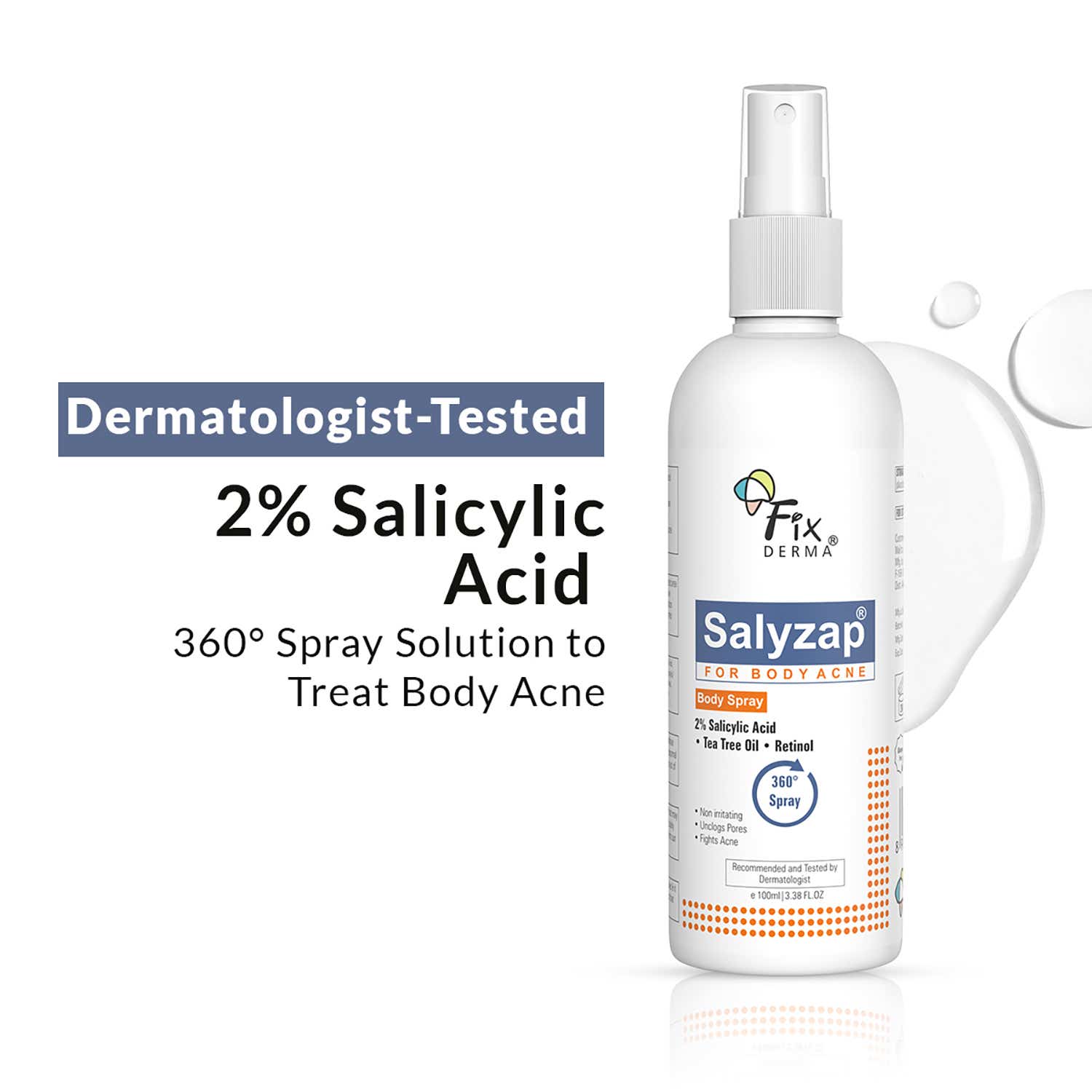
Adding salicylic acid into my routine has genuinely changed that experience. My skin feels clearer after shaving, those stubborn bumps appear far less often and when they do, they don't seem to linger for nearly as long. It's not the kind of result that grabs your attention immediately, but over time I've realised I'm thinking about post-shave irritation a lot less—which probably says everything.
Moisturiser used to be the final step because it felt like something I should do. Now, it's the step I pay the most attention to. Instead of choosing whichever lotion felt richest, I've started looking at ingredients the same way I would when shopping for facial skincare. Niacinamide, ceramides and urea have become just as important as how nourishing a formula feels. Hydration is still the goal, of course, but I also like knowing that I'm supporting my skin barrier and gradually improving texture at the same time.
The changes are subtle but satisfying. My shoulders look more even, my knees and elbows don't seem as dull and my skin feels comfortable for much longer after showering. It still feels like body care—just a much more considered version of it.
Looking back, I think the biggest shift has very little to do with the products themselves. It's made me realise how differently I'd treated the skin on my body compared to the skin on my face. One got research, patience and carefully chosen ingredients. The other got whatever moisturiser happened to be sitting on my bedside table.
Introducing actives hasn't suddenly given me a ten-step body care routine, and I don't think it needs to. If anything, it's shown me that a simple routine can be incredibly effective when the products are working with your skin instead of simply sitting on top of it.
The skin below our neck deserves just as much attention as the skin above it. Once I stopped treating body care like an afterthought, I realised it wasn't asking for more products or more steps. It was simply asking for the same thought and consistency I'd been giving my face all along.



For years, I thought smooth skin came down to how well I scrubbed. Every weekend I'd reach for a body scrub, convinced that if I exfoliated a little harder or a little longer, I'd finally get rid of rough patches for good. It always felt satisfying in the moment, but the results were frustratingly short-lived. Within a day or two, my skin would feel exactly the way it had before.
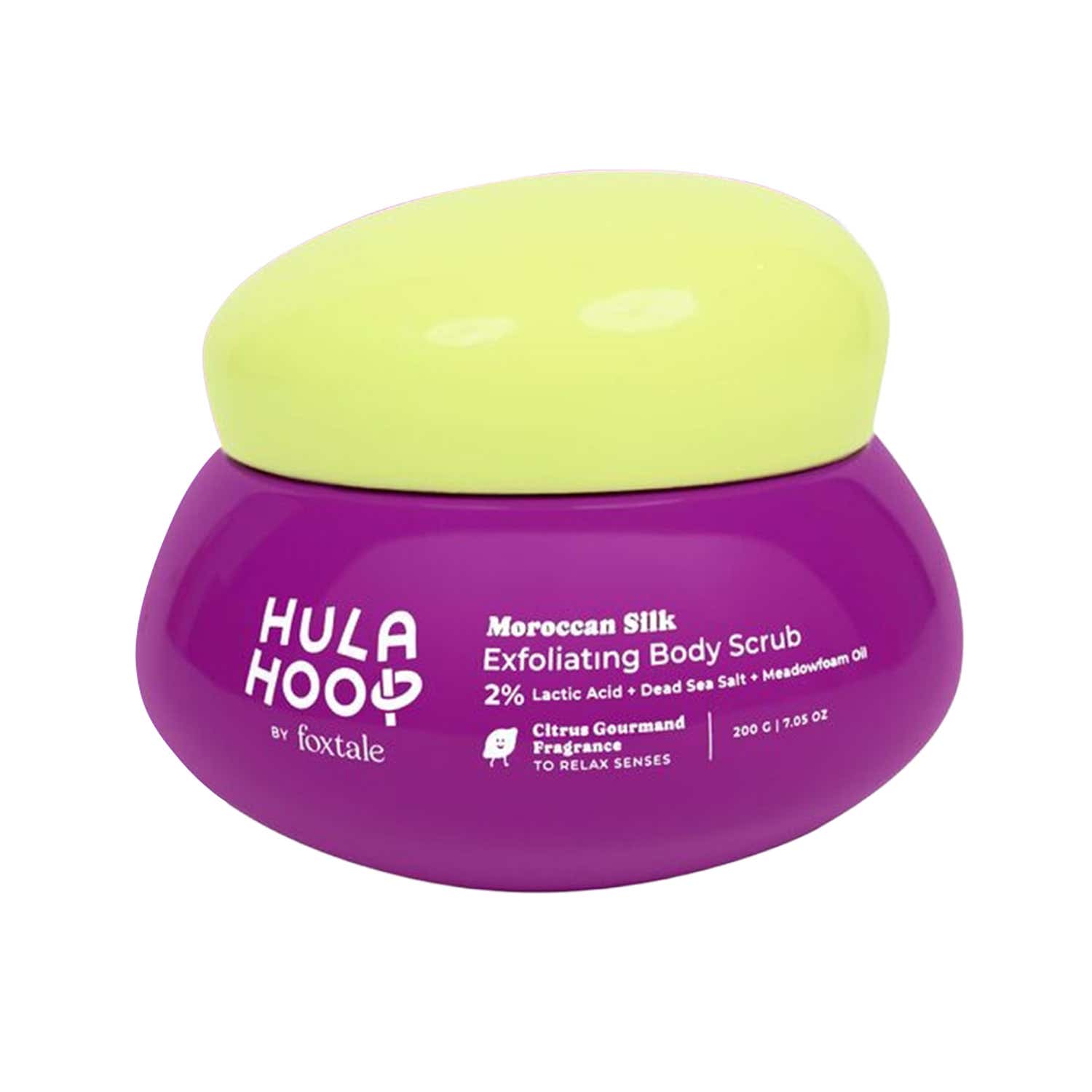
Introducing AHAs completely changed my perspective. Rather than relying on friction, I was letting ingredients do the work beneath the surface. The change wasn't dramatic after the first use, but after a few weeks I realised something had shifted. My skin wasn't only smoother after exfoliating—it stayed smoother throughout the week. Somewhere along the way, I also stopped feeling the need to aggressively scrub my skin every chance I got.
The backs of my arms have never been perfectly smooth, and if I'm honest, I'd stopped expecting them to be. I'd tried scrubs, richer moisturisers and every "quick fix" I'd come across, but nothing seemed to make much of a difference. So when I started using exfoliating body treatments, I kept my expectations fairly low.
That's probably why the results caught me by surprise. The bumps haven't disappeared completely, but they feel softer, look less noticeable and my skin has a much more even texture overall. It's the kind of improvement you don't wake up and notice one morning. Instead, it quietly reveals itself when you catch yourself running your hand over your arm and realising it feels different.
More than anything, it's reminded me that skincare often rewards consistency far more than intensity.
I've always accepted that shaving meant dealing with razor bumps a day later. No matter how careful I was, irritation and the occasional ingrown hair felt almost inevitable. I'd spend more time trying to calm my skin afterwards than I actually spent shaving.
Adding salicylic acid into my routine has genuinely changed that experience. My skin feels clearer after shaving, those stubborn bumps appear far less often and when they do, they don't seem to linger for nearly as long. It's not the kind of result that grabs your attention immediately, but over time I've realised I'm thinking about post-shave irritation a lot less—which probably says everything.
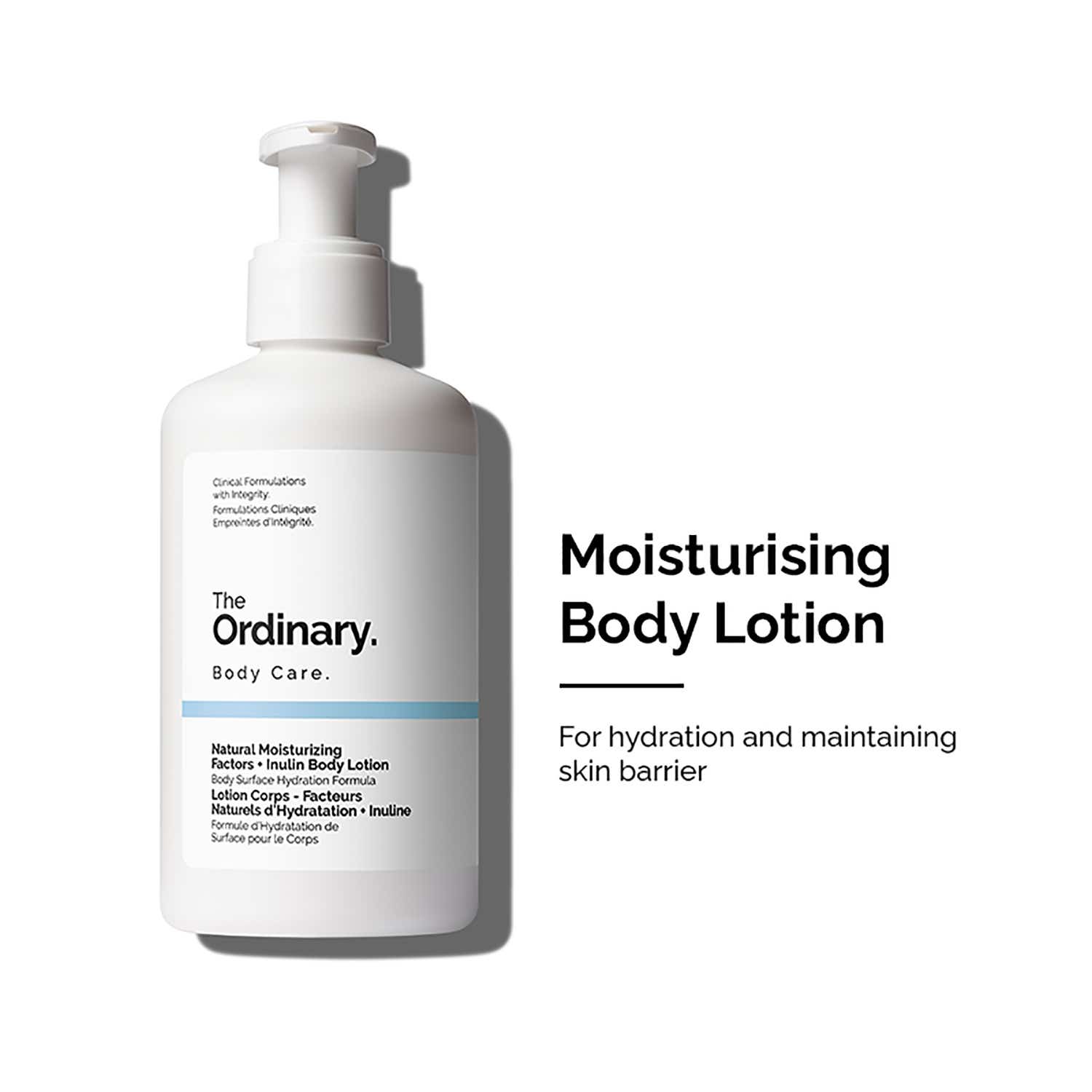
Moisturiser used to be the final step because it felt like something I should do. Now, it's the step I pay the most attention to. Instead of choosing whichever lotion felt richest, I've started looking at ingredients the same way I would when shopping for facial skincare. Niacinamide, ceramides and urea have become just as important as how nourishing a formula feels. Hydration is still the goal, of course, but I also like knowing that I'm supporting my skin barrier and gradually improving texture at the same time.
The changes are subtle but satisfying. My shoulders look more even, my knees and elbows don't seem as dull and my skin feels comfortable for much longer after showering. It still feels like body care—just a much more considered version of it.
Looking back, I think the biggest shift has very little to do with the products themselves. It's made me realise how differently I'd treated the skin on my body compared to the skin on my face. One got research, patience and carefully chosen ingredients. The other got whatever moisturiser happened to be sitting on my bedside table.
Introducing actives hasn't suddenly given me a ten-step body care routine, and I don't think it needs to. If anything, it's shown me that a simple routine can be incredibly effective when the products are working with your skin instead of simply sitting on top of it.
The skin below our neck deserves just as much attention as the skin above it. Once I stopped treating body care like an afterthought, I realised it wasn't asking for more products or more steps. It was simply asking for the same thought and consistency I'd been giving my face all along.
For years, I thought smooth skin came down to how well I scrubbed. Every weekend I'd reach for a body scrub, convinced that if I exfoliated a little harder or a little longer, I'd finally get rid of rough patches for good. It always felt satisfying in the moment, but the results were frustratingly short-lived. Within a day or two, my skin would feel exactly the way it had before.
Introducing AHAs completely changed my perspective. Rather than relying on friction, I was letting ingredients do the work beneath the surface. The change wasn't dramatic after the first use, but after a few weeks I realised something had shifted. My skin wasn't only smoother after exfoliating—it stayed smoother throughout the week. Somewhere along the way, I also stopped feeling the need to aggressively scrub my skin every chance I got.
The backs of my arms have never been perfectly smooth, and if I'm honest, I'd stopped expecting them to be. I'd tried scrubs, richer moisturisers and every "quick fix" I'd come across, but nothing seemed to make much of a difference. So when I started using exfoliating body treatments, I kept my expectations fairly low.
That's probably why the results caught me by surprise. The bumps haven't disappeared completely, but they feel softer, look less noticeable and my skin has a much more even texture overall. It's the kind of improvement you don't wake up and notice one morning. Instead, it quietly reveals itself when you catch yourself running your hand over your arm and realising it feels different.
More than anything, it's reminded me that skincare often rewards consistency far more than intensity.
I've always accepted that shaving meant dealing with razor bumps a day later. No matter how careful I was, irritation and the occasional ingrown hair felt almost inevitable. I'd spend more time trying to calm my skin afterwards than I actually spent shaving.
Adding salicylic acid into my routine has genuinely changed that experience. My skin feels clearer after shaving, those stubborn bumps appear far less often and when they do, they don't seem to linger for nearly as long. It's not the kind of result that grabs your attention immediately, but over time I've realised I'm thinking about post-shave irritation a lot less—which probably says everything.
Moisturiser used to be the final step because it felt like something I should do. Now, it's the step I pay the most attention to. Instead of choosing whichever lotion felt richest, I've started looking at ingredients the same way I would when shopping for facial skincare. Niacinamide, ceramides and urea have become just as important as how nourishing a formula feels. Hydration is still the goal, of course, but I also like knowing that I'm supporting my skin barrier and gradually improving texture at the same time.
The changes are subtle but satisfying. My shoulders look more even, my knees and elbows don't seem as dull and my skin feels comfortable for much longer after showering. It still feels like body care—just a much more considered version of it.
Looking back, I think the biggest shift has very little to do with the products themselves. It's made me realise how differently I'd treated the skin on my body compared to the skin on my face. One got research, patience and carefully chosen ingredients. The other got whatever moisturiser happened to be sitting on my bedside table.
Introducing actives hasn't suddenly given me a ten-step body care routine, and I don't think it needs to. If anything, it's shown me that a simple routine can be incredibly effective when the products are working with your skin instead of simply sitting on top of it.
The skin below our neck deserves just as much attention as the skin above it. Once I stopped treating body care like an afterthought, I realised it wasn't asking for more products or more steps. It was simply asking for the same thought and consistency I'd been giving my face all along.


For years, I thought smooth skin came down to how well I scrubbed. Every weekend I'd reach for a body scrub, convinced that if I exfoliated a little harder or a little longer, I'd finally get rid of rough patches for good. It always felt satisfying in the moment, but the results were frustratingly short-lived. Within a day or two, my skin would feel exactly the way it had before.
Introducing AHAs completely changed my perspective. Rather than relying on friction, I was letting ingredients do the work beneath the surface. The change wasn't dramatic after the first use, but after a few weeks I realised something had shifted. My skin wasn't only smoother after exfoliating—it stayed smoother throughout the week. Somewhere along the way, I also stopped feeling the need to aggressively scrub my skin every chance I got.
The backs of my arms have never been perfectly smooth, and if I'm honest, I'd stopped expecting them to be. I'd tried scrubs, richer moisturisers and every "quick fix" I'd come across, but nothing seemed to make much of a difference. So when I started using exfoliating body treatments, I kept my expectations fairly low.
That's probably why the results caught me by surprise. The bumps haven't disappeared completely, but they feel softer, look less noticeable and my skin has a much more even texture overall. It's the kind of improvement you don't wake up and notice one morning. Instead, it quietly reveals itself when you catch yourself running your hand over your arm and realising it feels different.
More than anything, it's reminded me that skincare often rewards consistency far more than intensity.
I've always accepted that shaving meant dealing with razor bumps a day later. No matter how careful I was, irritation and the occasional ingrown hair felt almost inevitable. I'd spend more time trying to calm my skin afterwards than I actually spent shaving.
Adding salicylic acid into my routine has genuinely changed that experience. My skin feels clearer after shaving, those stubborn bumps appear far less often and when they do, they don't seem to linger for nearly as long. It's not the kind of result that grabs your attention immediately, but over time I've realised I'm thinking about post-shave irritation a lot less—which probably says everything.
Moisturiser used to be the final step because it felt like something I should do. Now, it's the step I pay the most attention to. Instead of choosing whichever lotion felt richest, I've started looking at ingredients the same way I would when shopping for facial skincare. Niacinamide, ceramides and urea have become just as important as how nourishing a formula feels. Hydration is still the goal, of course, but I also like knowing that I'm supporting my skin barrier and gradually improving texture at the same time.
The changes are subtle but satisfying. My shoulders look more even, my knees and elbows don't seem as dull and my skin feels comfortable for much longer after showering. It still feels like body care—just a much more considered version of it.
Looking back, I think the biggest shift has very little to do with the products themselves. It's made me realise how differently I'd treated the skin on my body compared to the skin on my face. One got research, patience and carefully chosen ingredients. The other got whatever moisturiser happened to be sitting on my bedside table.
Introducing actives hasn't suddenly given me a ten-step body care routine, and I don't think it needs to. If anything, it's shown me that a simple routine can be incredibly effective when the products are working with your skin instead of simply sitting on top of it.
The skin below our neck deserves just as much attention as the skin above it. Once I stopped treating body care like an afterthought, I realised it wasn't asking for more products or more steps. It was simply asking for the same thought and consistency I'd been giving my face all along.