

Ingredient Lab
I introduced actives into my bodycare routine and here's what changed
Read Now


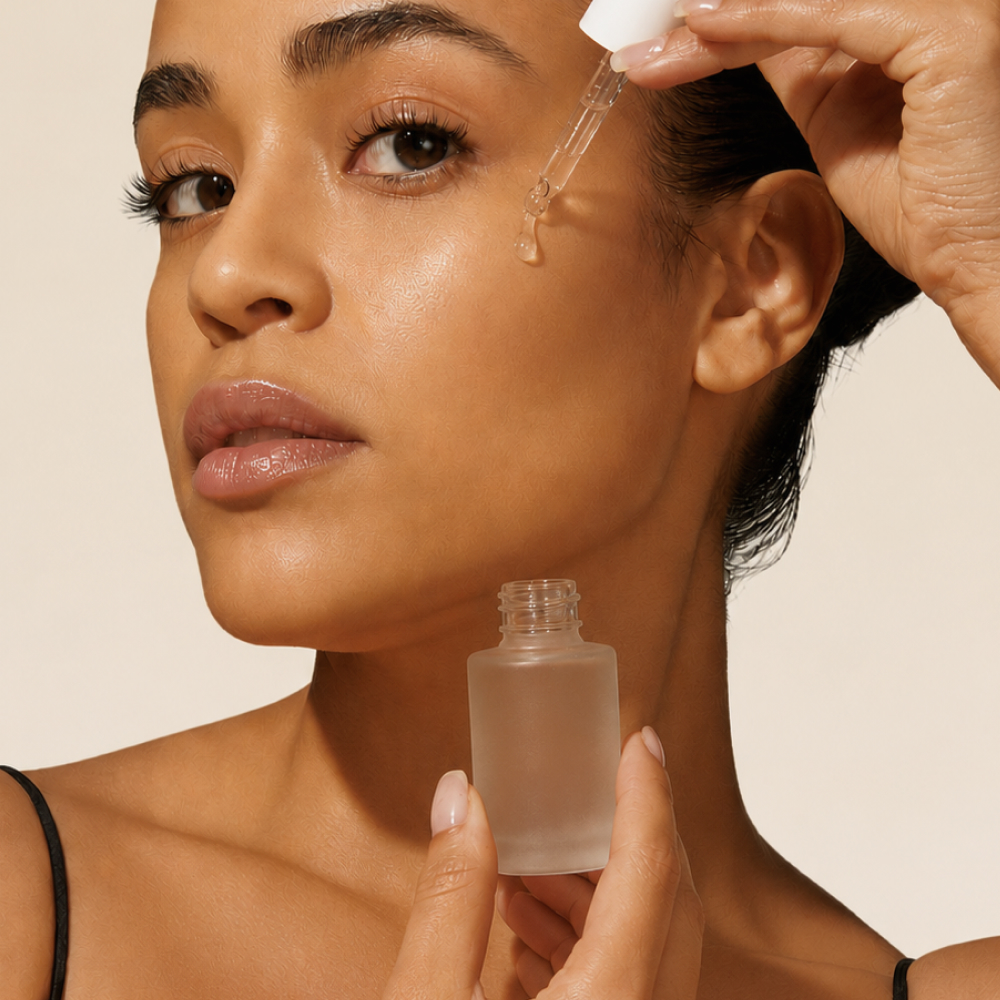

Pigmentation shows up differently across skin tones, but it shows up for most of us at some point. Acne leaves a mark that outlasts the breakout. A season in the sun without SPF shows up months later as a patch that lingers. Melasma—the hormonal, persistent kind—is common across lighter, medium and deeper tones, though research shows it tends to be more pronounced and longer-lasting on skin with more melanin.
For years, hydroquinone was the default treatment, but it comes with a catch: used for too long, at too high a strength, it can trigger exogenous ochronosis, a paradoxical darkening that’s harder to reverse on richly pigmented skin. Which is partly why tranexamic acid and azelaic acid have become the pairing dermatologists bring up instead.

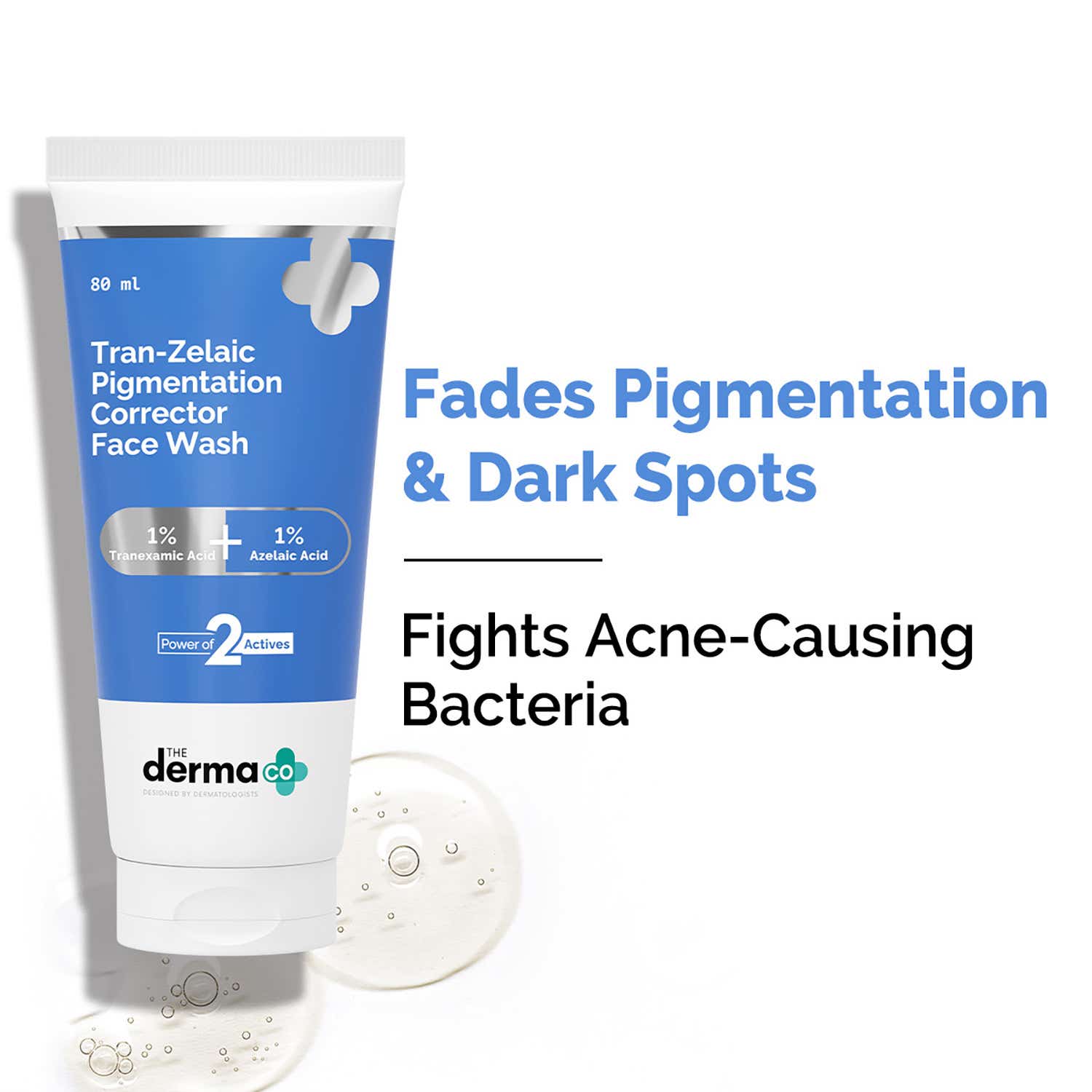
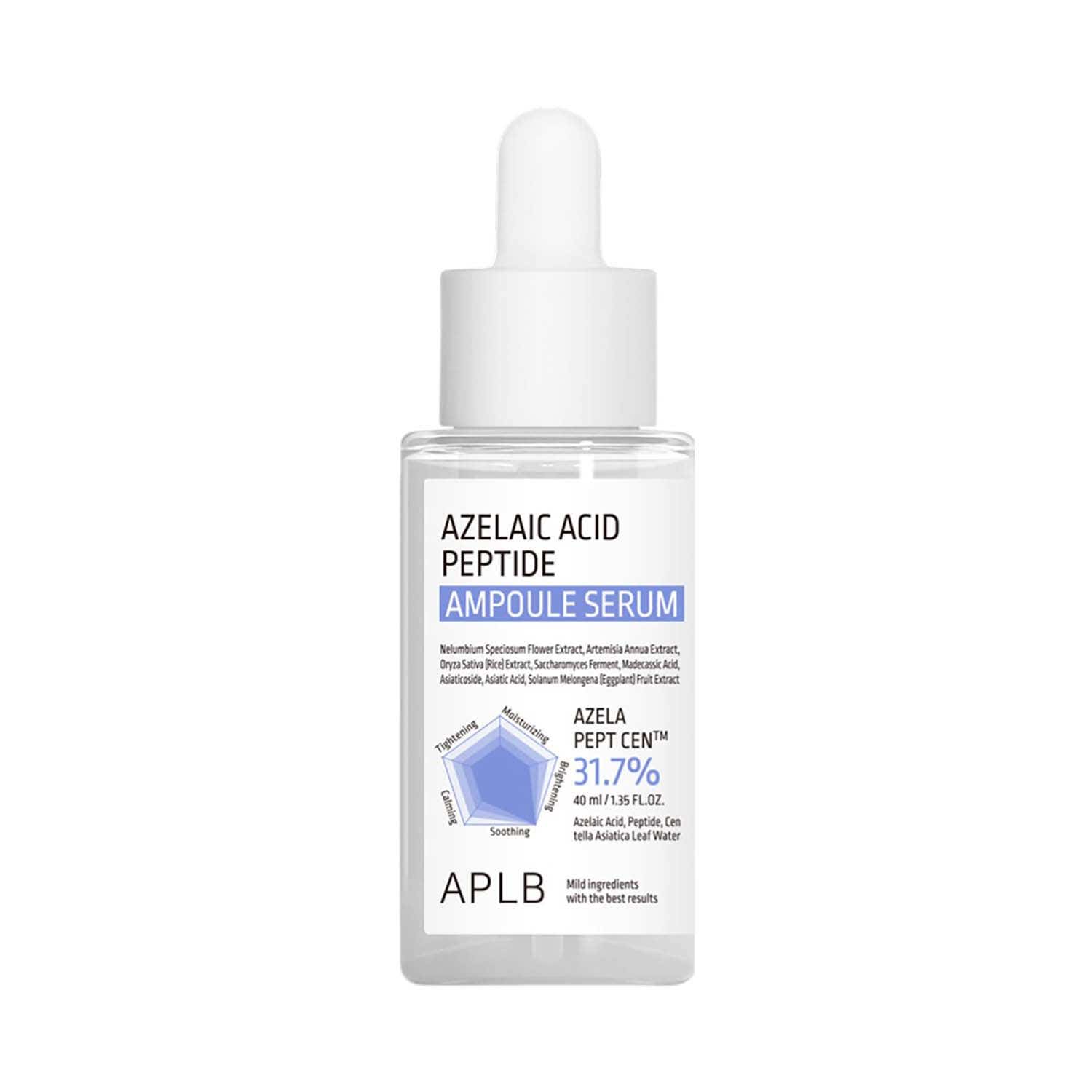
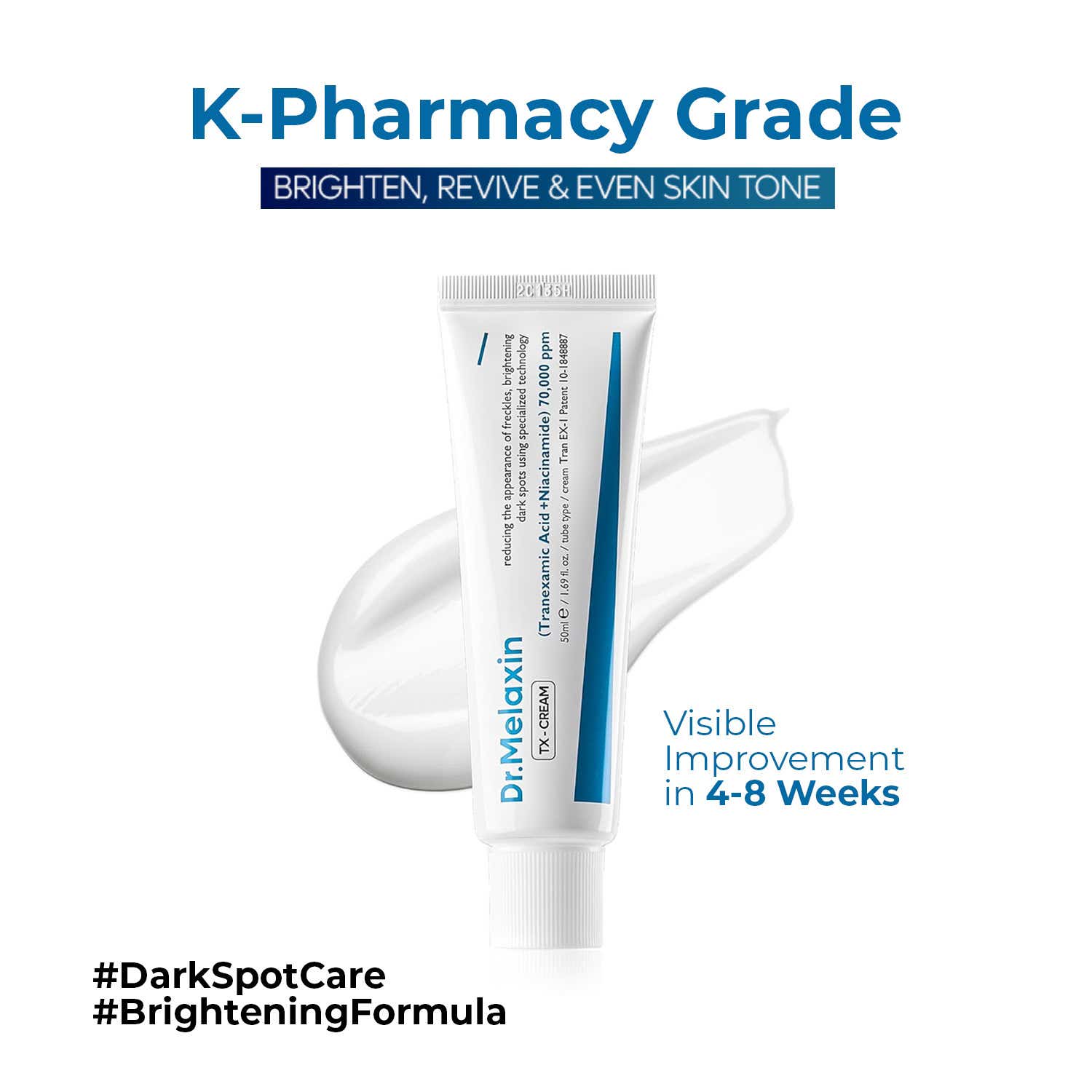

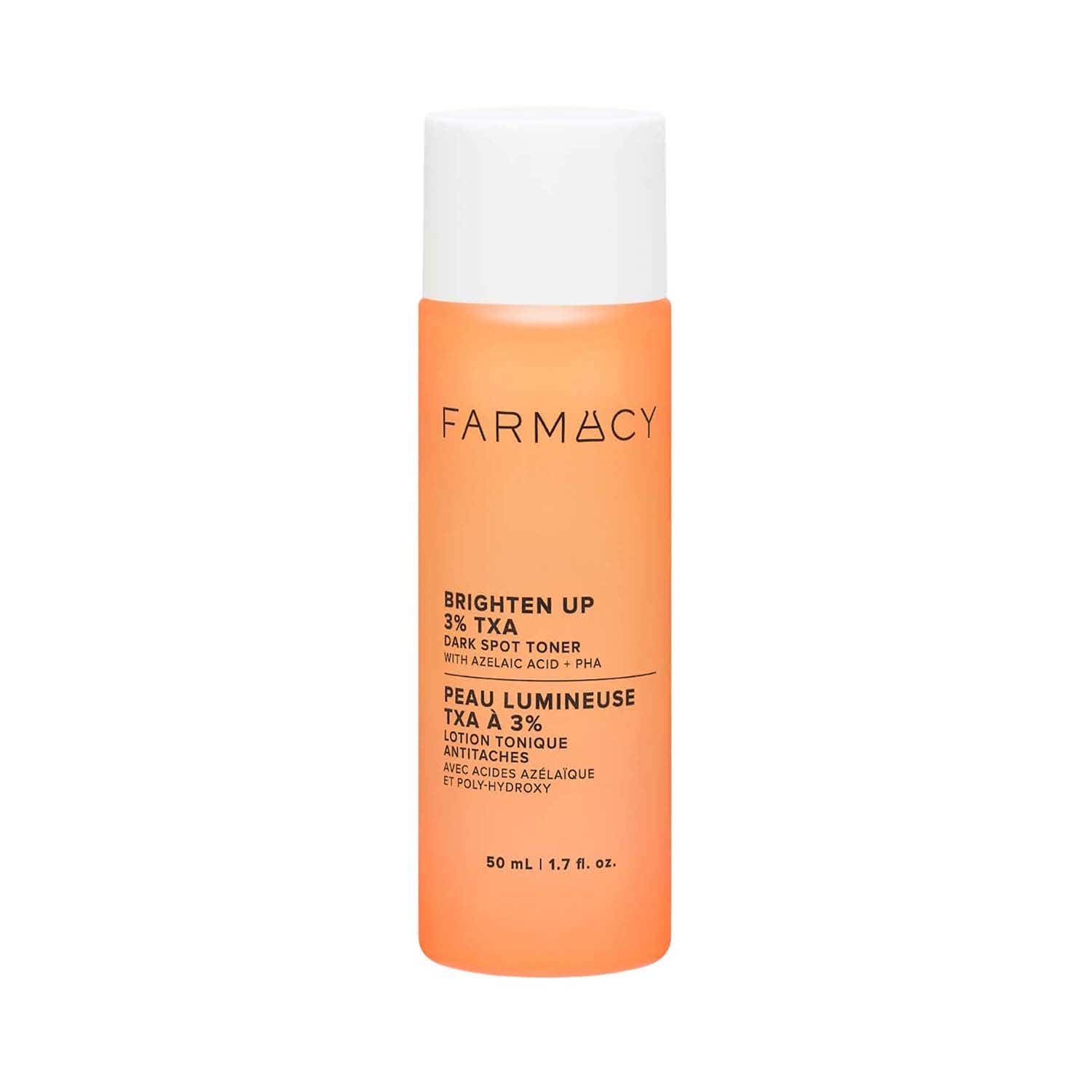
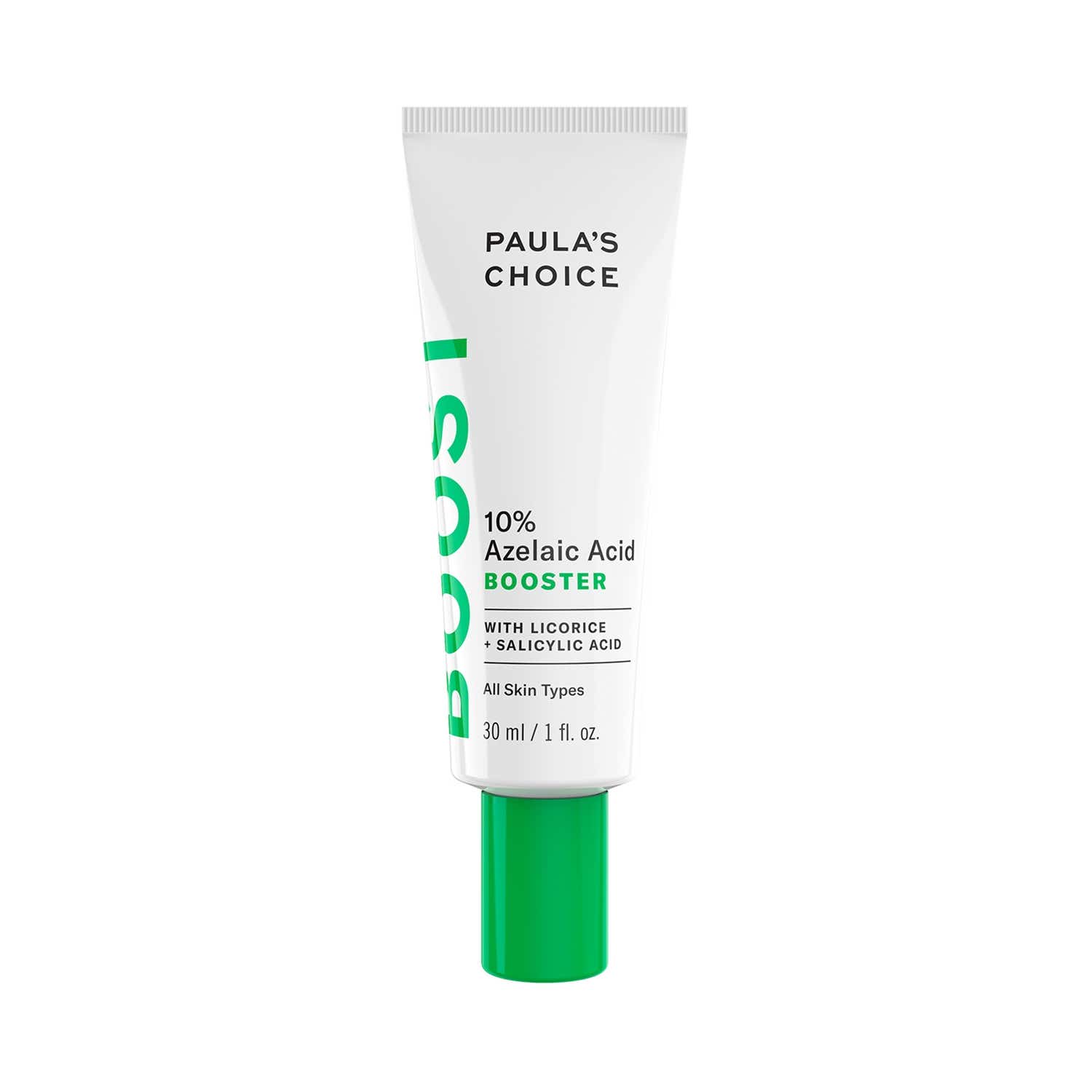
Azelaic acid is one of the more underrated ingredients in skincare—it addresses uneven tone, post-breakout marks, redness and mild texture concerns simultaneously. And it does so without the irritation that stronger actives can cause. At 10%, this booster delivers it at a concentration that’s effective enough to produce visible results while remaining comfortable for daily use. It can be mixed into a moisturiser or serum, applied directly or used as a targeted treatment on areas of concern. It’s versatile, it’s gentle and it’s underestimated until you’ve tried it.
Tranexamic acid was originally used to control bleeding. Its skincare career happened almost by accident, when doctors noticed patients on the medication saw their melasma fade. Here’s the mechanism: UV exposure and inflammation trigger a process that activates melanocytes—the cells that produce pigment. Tranexamic acid interrupts that pathway before it gets the signal to overproduce melanin. It doesn’t exfoliate, doesn’t thin the skin barrier and doesn’t raise sun sensitivity, which is precisely why it plays well with most other actives and skin types.
Azelaic acid works differently. It’s a dicarboxylic acid that inhibits tyrosinase, the enzyme responsible for melanin production, while also calming inflammation and clearing out congested pores. It’s the ingredient that shows up for both dark spots and breakouts, which makes it especially useful if your pigmentation is acne-adjacent rather than purely sun or hormone-driven.
Pigmentation rarely has one cause, so treating it with one ingredient often means addressing one part of the picture. Tranexamic acid targets the inflammatory, hormonally triggered pathway behind melasma. Azelaic acid works on tyrosinase and the residual inflammation that follows acne. Together, they cover more ground: existing dark marks, active inflammation and the hormonal pigmentation that neither retinoids nor vitamin C fully address on their own.
There’s also the sensitivity factor. Skin already dealing with pigmentation can be more reactive to strong exfoliating acids or high-strength retinoids, and irritation itself can trigger more dark marks. Neither tranexamic acid nor azelaic acid increases photosensitivity, so this is a combination that’s realistic to use in a hot, high-UV climate, alongside sunscreen, without the skin requiring much of an adjustment period.
Clinical studies back this up. Trials comparing topical tranexamic acid to hydroquinone in patients with melasma found comparable or better results over 12 weeks, with a notably better safety profile for longer-term use—relevant for anyone, regardless of depth of tone, who’s looking for a treatment they can stay on for months rather than weeks.
Look for serums or spot treatments that combine both actives, or layer them—azelaic acid first, since it has a slightly thicker, more emollient texture, followed by a tranexamic acid serum. Both can be used morning and night, though easing in every other day for the first couple of weeks is sensible if your skin is new to actives. Sunscreen isn’t optional here—it’s what does half the work, since UV exposure is what keeps reactivating melanocytes in the first place. Pair with a broad-spectrum SPF 50 through the day, and give the combination at least eight to 12 weeks before deciding whether it’s working. Pigmentation lifts slowly, on its own schedule.
What this pairing won’t do is dramatic overnight fading—that was never the promise. What it does offer is a lower-irritation, longer-runway approach to dark marks and melasma, backed by research done on skin that looks like ours.
Tranexamic acid was originally used to control bleeding. Its skincare career happened almost by accident, when doctors noticed patients on the medication saw their melasma fade. Here’s the mechanism: UV exposure and inflammation trigger a process that activates melanocytes—the cells that produce pigment. Tranexamic acid interrupts that pathway before it gets the signal to overproduce melanin. It doesn’t exfoliate, doesn’t thin the skin barrier and doesn’t raise sun sensitivity, which is precisely why it plays well with most other actives and skin types.
Azelaic acid works differently. It’s a dicarboxylic acid that inhibits tyrosinase, the enzyme responsible for melanin production, while also calming inflammation and clearing out congested pores. It’s the ingredient that shows up for both dark spots and breakouts, which makes it especially useful if your pigmentation is acne-adjacent rather than purely sun or hormone-driven.
Pigmentation rarely has one cause, so treating it with one ingredient often means addressing one part of the picture. Tranexamic acid targets the inflammatory, hormonally triggered pathway behind melasma. Azelaic acid works on tyrosinase and the residual inflammation that follows acne. Together, they cover more ground: existing dark marks, active inflammation and the hormonal pigmentation that neither retinoids nor vitamin C fully address on their own.
There’s also the sensitivity factor. Skin already dealing with pigmentation can be more reactive to strong exfoliating acids or high-strength retinoids, and irritation itself can trigger more dark marks. Neither tranexamic acid nor azelaic acid increases photosensitivity, so this is a combination that’s realistic to use in a hot, high-UV climate, alongside sunscreen, without the skin requiring much of an adjustment period.
Clinical studies back this up. Trials comparing topical tranexamic acid to hydroquinone in patients with melasma found comparable or better results over 12 weeks, with a notably better safety profile for longer-term use—relevant for anyone, regardless of depth of tone, who’s looking for a treatment they can stay on for months rather than weeks.
Look for serums or spot treatments that combine both actives, or layer them—azelaic acid first, since it has a slightly thicker, more emollient texture, followed by a tranexamic acid serum. Both can be used morning and night, though easing in every other day for the first couple of weeks is sensible if your skin is new to actives. Sunscreen isn’t optional here—it’s what does half the work, since UV exposure is what keeps reactivating melanocytes in the first place. Pair with a broad-spectrum SPF 50 through the day, and give the combination at least eight to 12 weeks before deciding whether it’s working. Pigmentation lifts slowly, on its own schedule.
What this pairing won’t do is dramatic overnight fading—that was never the promise. What it does offer is a lower-irritation, longer-runway approach to dark marks and melasma, backed by research done on skin that looks like ours.


Tranexamic acid was originally used to control bleeding. Its skincare career happened almost by accident, when doctors noticed patients on the medication saw their melasma fade. Here’s the mechanism: UV exposure and inflammation trigger a process that activates melanocytes—the cells that produce pigment. Tranexamic acid interrupts that pathway before it gets the signal to overproduce melanin. It doesn’t exfoliate, doesn’t thin the skin barrier and doesn’t raise sun sensitivity, which is precisely why it plays well with most other actives and skin types.
Azelaic acid works differently. It’s a dicarboxylic acid that inhibits tyrosinase, the enzyme responsible for melanin production, while also calming inflammation and clearing out congested pores. It’s the ingredient that shows up for both dark spots and breakouts, which makes it especially useful if your pigmentation is acne-adjacent rather than purely sun or hormone-driven.
Pigmentation rarely has one cause, so treating it with one ingredient often means addressing one part of the picture. Tranexamic acid targets the inflammatory, hormonally triggered pathway behind melasma. Azelaic acid works on tyrosinase and the residual inflammation that follows acne. Together, they cover more ground: existing dark marks, active inflammation and the hormonal pigmentation that neither retinoids nor vitamin C fully address on their own.
There’s also the sensitivity factor. Skin already dealing with pigmentation can be more reactive to strong exfoliating acids or high-strength retinoids, and irritation itself can trigger more dark marks. Neither tranexamic acid nor azelaic acid increases photosensitivity, so this is a combination that’s realistic to use in a hot, high-UV climate, alongside sunscreen, without the skin requiring much of an adjustment period.
Clinical studies back this up. Trials comparing topical tranexamic acid to hydroquinone in patients with melasma found comparable or better results over 12 weeks, with a notably better safety profile for longer-term use—relevant for anyone, regardless of depth of tone, who’s looking for a treatment they can stay on for months rather than weeks.
Look for serums or spot treatments that combine both actives, or layer them—azelaic acid first, since it has a slightly thicker, more emollient texture, followed by a tranexamic acid serum. Both can be used morning and night, though easing in every other day for the first couple of weeks is sensible if your skin is new to actives. Sunscreen isn’t optional here—it’s what does half the work, since UV exposure is what keeps reactivating melanocytes in the first place. Pair with a broad-spectrum SPF 50 through the day, and give the combination at least eight to 12 weeks before deciding whether it’s working. Pigmentation lifts slowly, on its own schedule.
What this pairing won’t do is dramatic overnight fading—that was never the promise. What it does offer is a lower-irritation, longer-runway approach to dark marks and melasma, backed by research done on skin that looks like ours.