



Ingredient Lab
What’s really happening when an ingredient is “fermented”
Read Now


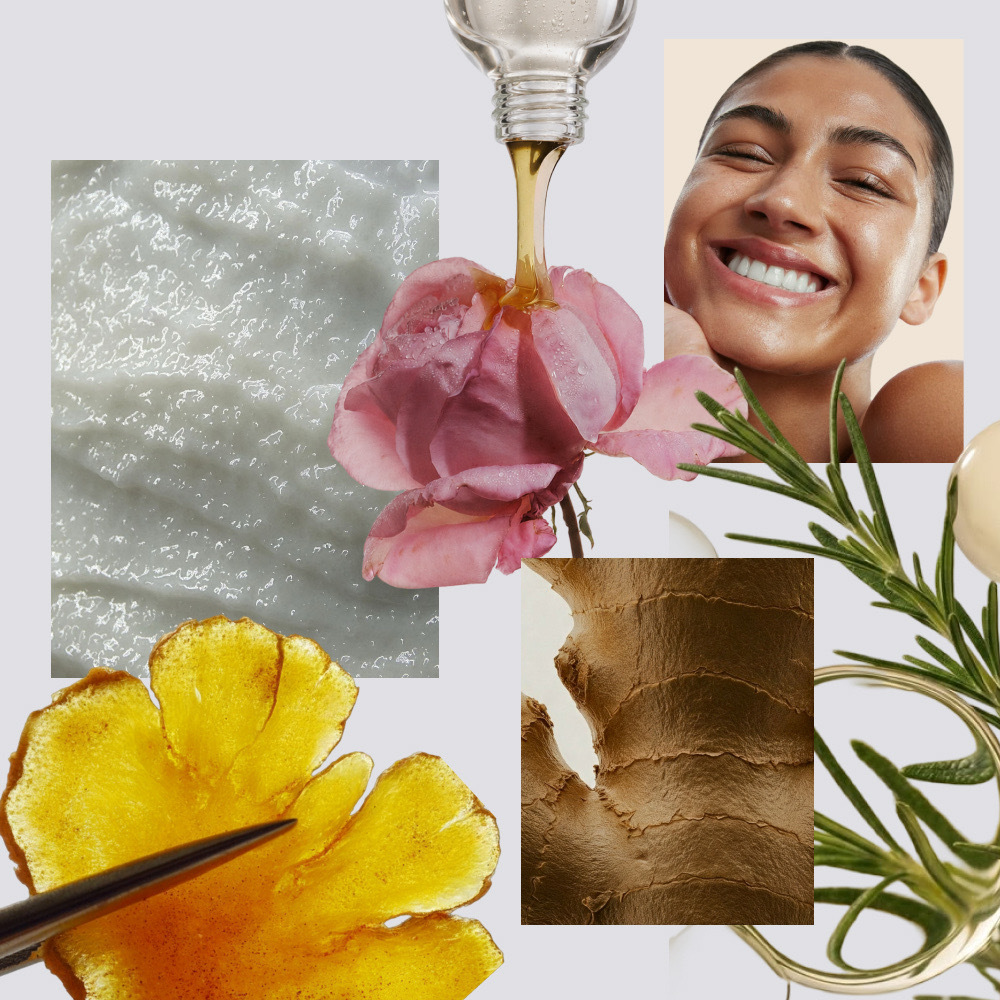

If you’ve been paying any attention to the K-beauty space lately, you’ve probably noticed a shift. The era of single hero ingredients—your niacinamide, your hyaluronic acid, your ceramides—is making room for something older, more complex and considerably more interesting. Hanbang is having a moment, and it’s not a passing trend. It’s a full-scale return to the roots of Korean skincare—literally.
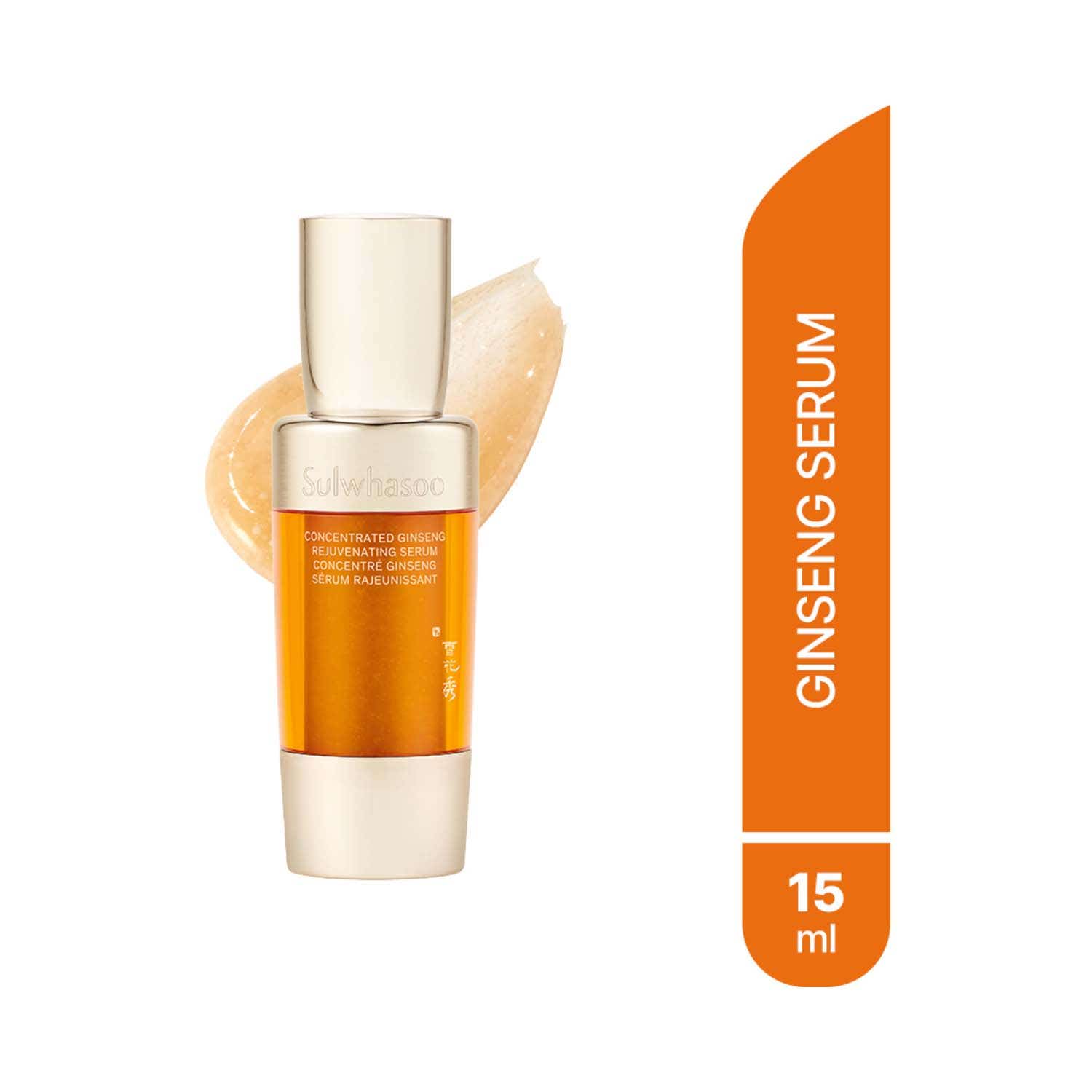



A staple in any well-thought-out Korean skincare routine, this watery essence from Beauty of Joseon is powered by 80 percent ginseng root water. Known for its antioxidant-rich and circulation-boosting benefits, ginseng has been a treasured part of traditional Korean medicine for centuries. The addition of niacinamide helps brighten skin tone and improve overall texture. Despite its potent ingredients, the formula is lightweight, fast-absorbing and ideal for layering. It hydrates without stickiness and leaves skin looking visibly refreshed—making it a great choice for those with dehydrated or dull skin.
Get ready to step into your main-character era with this ginseng-infused essence from Beauty of Joseon. Inspired by traditional Korean skincare rituals, it’s formulated to deliver long-lasting hydration and help your skin stay balanced throughout the day. The star ingredient, ginseng root water, supports the skin barrier and boosts moisture levels, while niacinamide helps control excess sebum and refine texture. The result is skin that feels hydrated, refreshed and calm, with a natural glow that doesn’t fade by lunchtime. It’s light, layerable and a joy to pat into freshly cleansed skin—like a daily dose of quiet luxury for your face.
For sensitive skin that tends to act up after a long day, this soothing sleeping cream is a nighttime essential. It combines Centella Asiatica extract with five types of hyaluronic acid to calm, hydrate and restore balance. The light, almost watery texture melts in instantly without any residue. While Centella works to reduce redness and irritation, hyaluronic acid locks in moisture so your skin feels plump and comforted by morning. With added melatonin to improve firmness over time, it’s a gentle yet effective fix for stressed, dehydrated skin.
Centella asiatica
Another popular K-beauty ingredient that is known to hydrate and heal, centella asiatica, aka cica, has become a soothing favourite for many. The herb is actually known for its medicinal properties and, in the past, has been used to treat skin conditions like psoriasis and eczema. It hydrates the skin, reduces inflammation, strengthens the skin barrier and even combats the early signs of skin ageing. What makes it even more popular is its ability to suit all skin types, including sensitive skin.
Hanbang is traditional Korean herbal medicine. It’s a system of healing that's been practised for thousands of years, rooted in the idea that health—and by extension, skin health—comes from balance within the body. The philosophy draws from a holistic understanding of how plant-based ingredients work together, rather than in isolation. Think of it less as a single ingredient and more as an entire approach to formulation—one that Korean skincare brands are now bringing into modern beauty with impressive results.
The hanbang canon is broad, but a few key ingredients are leading the charge into mainstream beauty.
Ginseng is probably the most recognised. It's been a staple of traditional Korean medicine for centuries, and for good reason. Ginseng root is rich in ginsenosides—compounds that help stimulate collagen production, improve circulation and brighten the skin over time. It's an antioxidant with genuine staying power, not just in efficacy but in cultural significance.
Mugwort (ssuk in Korean) has crossed over into the global beauty conversation in a big way. It's soothing, anti-inflammatory and particularly good for sensitive or reactive skin. If your skin tends to flare up easily, mugwort is the hanbang ingredient most likely to become your regular.
Reishi mushroom is another one making its way into premium formulations. Known in traditional medicine as the "mushroom of immortality," reishi is rich in beta-glucans that deeply hydrate and support the skin barrier, plus antioxidants that help combat environmental damage. It has a calming effect on the skin that makes it especially useful in richer, overnight treatments.
Licorice root has long been used in hanbang for its skin-brightening properties. It inhibits melanin production, making it a gentler alternative to more aggressive brightening actives. If you're working on hyperpigmentation or uneven tone, it's worth checking whether it appears in your routine already—it often does, just not always by this name.
Centella asiatica technically straddles both hanbang and modern skincare—it's been a hero ingredient in Korean beauty for years, but its roots are firmly in traditional medicine. Healing, barrier-repairing and anti-inflammatory, it's one of the best examples of how hanbang ingredients translate into contemporary formulations without losing any of their potency.
Part of it is the broader move towards ingredient transparency and a growing scepticism of overly synthetic skincare. Consumers are increasingly interested in where ingredients come from, what they've historically been used for and whether the formulations they're buying have any real depth behind them. Hanbang has centuries of documented use—that's a credibility most trend ingredients simply can't match.
There's also a growing appetite for skincare that does more than one thing. Hanbang formulations tend to work with multiple ingredients in concert, which aligns well with the current interest in simplified but high-performing routines. Fewer products, more intelligent formulations—hanbang fits that brief naturally.
You don't need to overhaul your entire routine. The easiest entry point is a serum or essence featuring ginseng or mugwort—both are widely available and work well alongside the actives you're already using. If you're newer to hanbang, look for products that lead with one hero ingredient rather than a full complex; it makes it easier to understand what's doing what on your skin. From there, it's about building familiarity with the broader ingredient family and letting the results do the convincing.
Hanbang isn't new. But the way it's being interpreted right now—precise, research-backed and genuinely beautiful to use—it very much is.
Hanbang is traditional Korean herbal medicine. It’s a system of healing that's been practised for thousands of years, rooted in the idea that health—and by extension, skin health—comes from balance within the body. The philosophy draws from a holistic understanding of how plant-based ingredients work together, rather than in isolation. Think of it less as a single ingredient and more as an entire approach to formulation—one that Korean skincare brands are now bringing into modern beauty with impressive results.
The hanbang canon is broad, but a few key ingredients are leading the charge into mainstream beauty.
Ginseng is probably the most recognised. It's been a staple of traditional Korean medicine for centuries, and for good reason. Ginseng root is rich in ginsenosides—compounds that help stimulate collagen production, improve circulation and brighten the skin over time. It's an antioxidant with genuine staying power, not just in efficacy but in cultural significance.
Mugwort (ssuk in Korean) has crossed over into the global beauty conversation in a big way. It's soothing, anti-inflammatory and particularly good for sensitive or reactive skin. If your skin tends to flare up easily, mugwort is the hanbang ingredient most likely to become your regular.
Reishi mushroom is another one making its way into premium formulations. Known in traditional medicine as the "mushroom of immortality," reishi is rich in beta-glucans that deeply hydrate and support the skin barrier, plus antioxidants that help combat environmental damage. It has a calming effect on the skin that makes it especially useful in richer, overnight treatments.
Licorice root has long been used in hanbang for its skin-brightening properties. It inhibits melanin production, making it a gentler alternative to more aggressive brightening actives. If you're working on hyperpigmentation or uneven tone, it's worth checking whether it appears in your routine already—it often does, just not always by this name.
Centella asiatica technically straddles both hanbang and modern skincare—it's been a hero ingredient in Korean beauty for years, but its roots are firmly in traditional medicine. Healing, barrier-repairing and anti-inflammatory, it's one of the best examples of how hanbang ingredients translate into contemporary formulations without losing any of their potency.
Part of it is the broader move towards ingredient transparency and a growing scepticism of overly synthetic skincare. Consumers are increasingly interested in where ingredients come from, what they've historically been used for and whether the formulations they're buying have any real depth behind them. Hanbang has centuries of documented use—that's a credibility most trend ingredients simply can't match.
There's also a growing appetite for skincare that does more than one thing. Hanbang formulations tend to work with multiple ingredients in concert, which aligns well with the current interest in simplified but high-performing routines. Fewer products, more intelligent formulations—hanbang fits that brief naturally.
You don't need to overhaul your entire routine. The easiest entry point is a serum or essence featuring ginseng or mugwort—both are widely available and work well alongside the actives you're already using. If you're newer to hanbang, look for products that lead with one hero ingredient rather than a full complex; it makes it easier to understand what's doing what on your skin. From there, it's about building familiarity with the broader ingredient family and letting the results do the convincing.
Hanbang isn't new. But the way it's being interpreted right now—precise, research-backed and genuinely beautiful to use—it very much is.


Hanbang is traditional Korean herbal medicine. It’s a system of healing that's been practised for thousands of years, rooted in the idea that health—and by extension, skin health—comes from balance within the body. The philosophy draws from a holistic understanding of how plant-based ingredients work together, rather than in isolation. Think of it less as a single ingredient and more as an entire approach to formulation—one that Korean skincare brands are now bringing into modern beauty with impressive results.
The hanbang canon is broad, but a few key ingredients are leading the charge into mainstream beauty.
Ginseng is probably the most recognised. It's been a staple of traditional Korean medicine for centuries, and for good reason. Ginseng root is rich in ginsenosides—compounds that help stimulate collagen production, improve circulation and brighten the skin over time. It's an antioxidant with genuine staying power, not just in efficacy but in cultural significance.
Mugwort (ssuk in Korean) has crossed over into the global beauty conversation in a big way. It's soothing, anti-inflammatory and particularly good for sensitive or reactive skin. If your skin tends to flare up easily, mugwort is the hanbang ingredient most likely to become your regular.
Reishi mushroom is another one making its way into premium formulations. Known in traditional medicine as the "mushroom of immortality," reishi is rich in beta-glucans that deeply hydrate and support the skin barrier, plus antioxidants that help combat environmental damage. It has a calming effect on the skin that makes it especially useful in richer, overnight treatments.
Licorice root has long been used in hanbang for its skin-brightening properties. It inhibits melanin production, making it a gentler alternative to more aggressive brightening actives. If you're working on hyperpigmentation or uneven tone, it's worth checking whether it appears in your routine already—it often does, just not always by this name.
Centella asiatica technically straddles both hanbang and modern skincare—it's been a hero ingredient in Korean beauty for years, but its roots are firmly in traditional medicine. Healing, barrier-repairing and anti-inflammatory, it's one of the best examples of how hanbang ingredients translate into contemporary formulations without losing any of their potency.
Part of it is the broader move towards ingredient transparency and a growing scepticism of overly synthetic skincare. Consumers are increasingly interested in where ingredients come from, what they've historically been used for and whether the formulations they're buying have any real depth behind them. Hanbang has centuries of documented use—that's a credibility most trend ingredients simply can't match.
There's also a growing appetite for skincare that does more than one thing. Hanbang formulations tend to work with multiple ingredients in concert, which aligns well with the current interest in simplified but high-performing routines. Fewer products, more intelligent formulations—hanbang fits that brief naturally.
You don't need to overhaul your entire routine. The easiest entry point is a serum or essence featuring ginseng or mugwort—both are widely available and work well alongside the actives you're already using. If you're newer to hanbang, look for products that lead with one hero ingredient rather than a full complex; it makes it easier to understand what's doing what on your skin. From there, it's about building familiarity with the broader ingredient family and letting the results do the convincing.
Hanbang isn't new. But the way it's being interpreted right now—precise, research-backed and genuinely beautiful to use—it very much is.


