Rituals
How to layer your post-wash hair products to avoid frizz
Read Now


We all have those weeks where our hair just isn't cooperating. It looks dull, feels limp and no matter what you do, it's not quite behaving the way you want it to. You've tried switching products, you've deep conditioned, you've done everything right—and yet. If this sounds familiar, the problem might not be what you're using. It might be the order you're using it in and how often.
That's where hair cycling comes in. Instead of reaching for the same products day after day, you rotate them intentionally—giving your hair exactly what it needs, when it needs it. It sounds like it should be complicated, but it really isn't. Once you understand the basics, it clicks quickly and your hair will likely start to show the difference before you expect it to.
.avif)
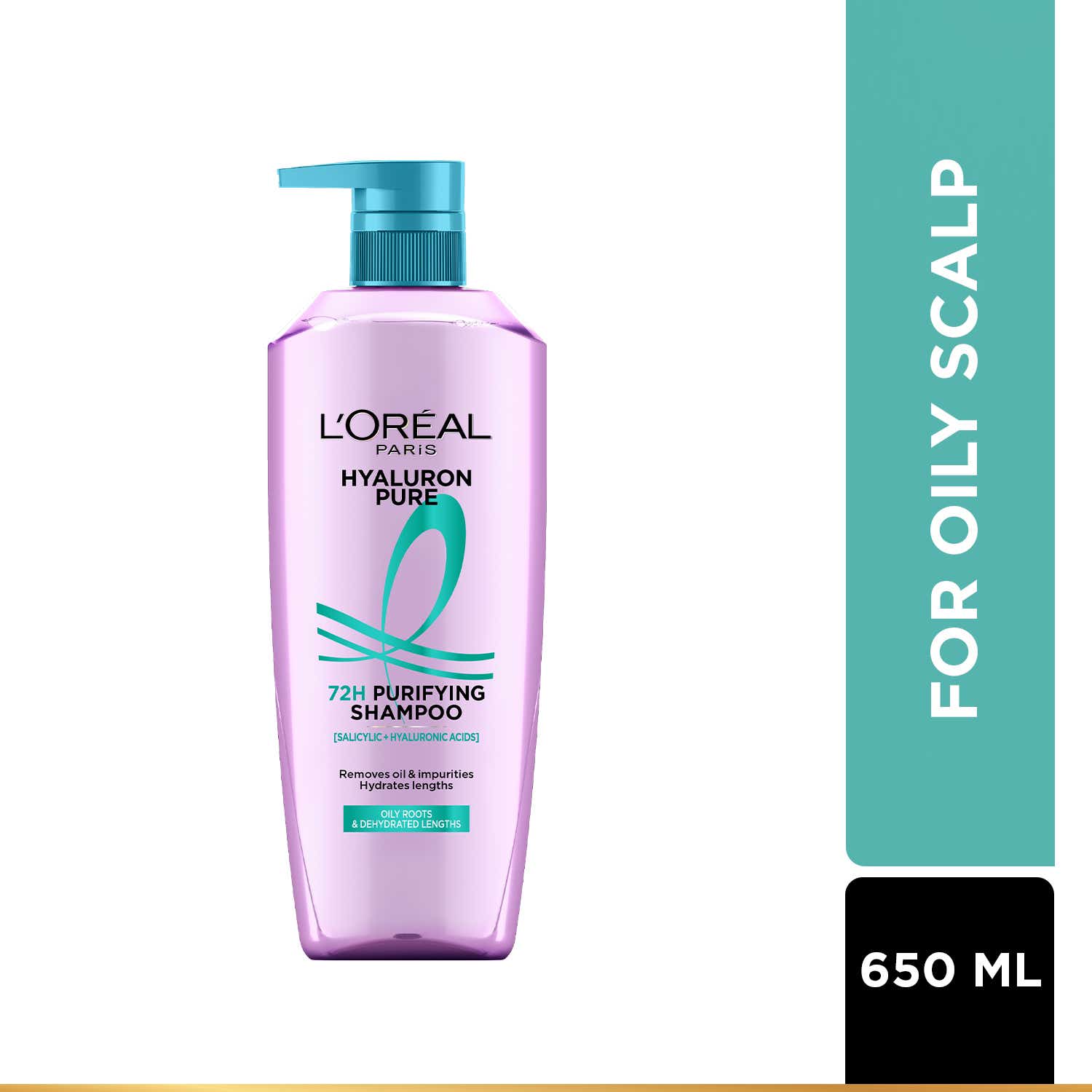




Known for removing oil and dirt from the scalp, this detox shampoo doesn’t disappoint. Because it’s spiked with charcoal and keratin, it tackles impurities while offering a smooth and glossy finish to your strands. This pick is ideal for anyone who has dealt with greasy scalp flat hair.
This is a clarifying shampoo that resets your hair and scalp when buildup starts to show. It removes excess oil, sweat and product residue while keeping your hair soft and manageable. Use it once or twice a week to keep the hair feeling clean and light, especially if you style regularly or live in a polluted environment. It’s the product that improves how your hair behaves overall.
First on the list, this high-performing mask is designed for hair that needs a serious moisture boost. Infused with antioxidant-rich argan oil, linseed extract and glycerin, it works to hydrate and soften the strands; and improve texture, elasticity and shine—all without weighing your hair down. Use it on towel-dried hair after you’ve used your regular shampoo, avoiding the scalp. Leave it on for 20 to 25 minutes and rinse thoroughly. Whether your hair feels dull or just needs a reset, this treatment is a simple way to get it looking its best.
Hair cycling is the practice of rotating different types of haircare treatments across your wash cycle rather than using the same products every single time. Think of it like a workout split for your hair—each wash day has a different routine and a different purpose.
The concept is borrowed from skin cycling, which took over social media a couple of years ago. Skin cycling involves alternating actives like retinol and exfoliants with recovery nights, so your skin gets the benefits without being overwhelmed. Hair cycling takes that same logic and applies it to your scalp and strands.
Most hair problems come down to imbalance, and hair cycling is designed to fix exactly that. The biggest culprit is buildup. If you're using a rich conditioner or leave-in treatment every wash without ever doing a proper cleanse, product residue sits on your scalp and weighs your hair down over time. On the flip side, if you're using a stripping shampoo too often, your scalp overcompensates by producing more oil—which only makes things worse.
Hair cycling solves this by giving your hair what it needs at the right time and in the right order. It's not about more products or a more complicated routine. It's just a more thoughtful one.
The short answer is: pretty much anyone. But it's especially worth trying if you're dealing with any of the following:
If your hair feels great and everything's working, there's no urgency to overhaul anything. But if something's been off, this is a good place to start.
There's no one-size-fits-all version of this—your cycle should fit your wash schedule and your specific hair concerns. Here's how to build one that actually works for you.
Figure out how often you wash Your routine needs to fit your schedule. If you wash three times a week, you have three slots to work with. If you wash once, you'll need to be more selective about which treatments you prioritise.
Identify your main concerns Is it dryness? Oiliness? Scalp issues? Lack of volume? Your concerns will shape which products make it into your rotation. Someone with a dry scalp and fine hair needs a very different cycle to someone with an oily scalp and thick coarse strands.
Build your rotation A basic cycle looks something like this—and these are the only products you actually need:
Wash 1 — Clarify: Start with a clarifying shampoo to deep clean your scalp and remove buildup from products, dry shampoo, hard water and excess oil. This is your reset wash. Look for something effective but not so harsh it leaves your hair feeling stripped—sulphate-free clarifying options are worth exploring if you have colour-treated or very dry hair. If scalp health is a priority, this is also a good day to use a scalp scrub or pre-wash treatment, when your follicles are clear and most receptive.
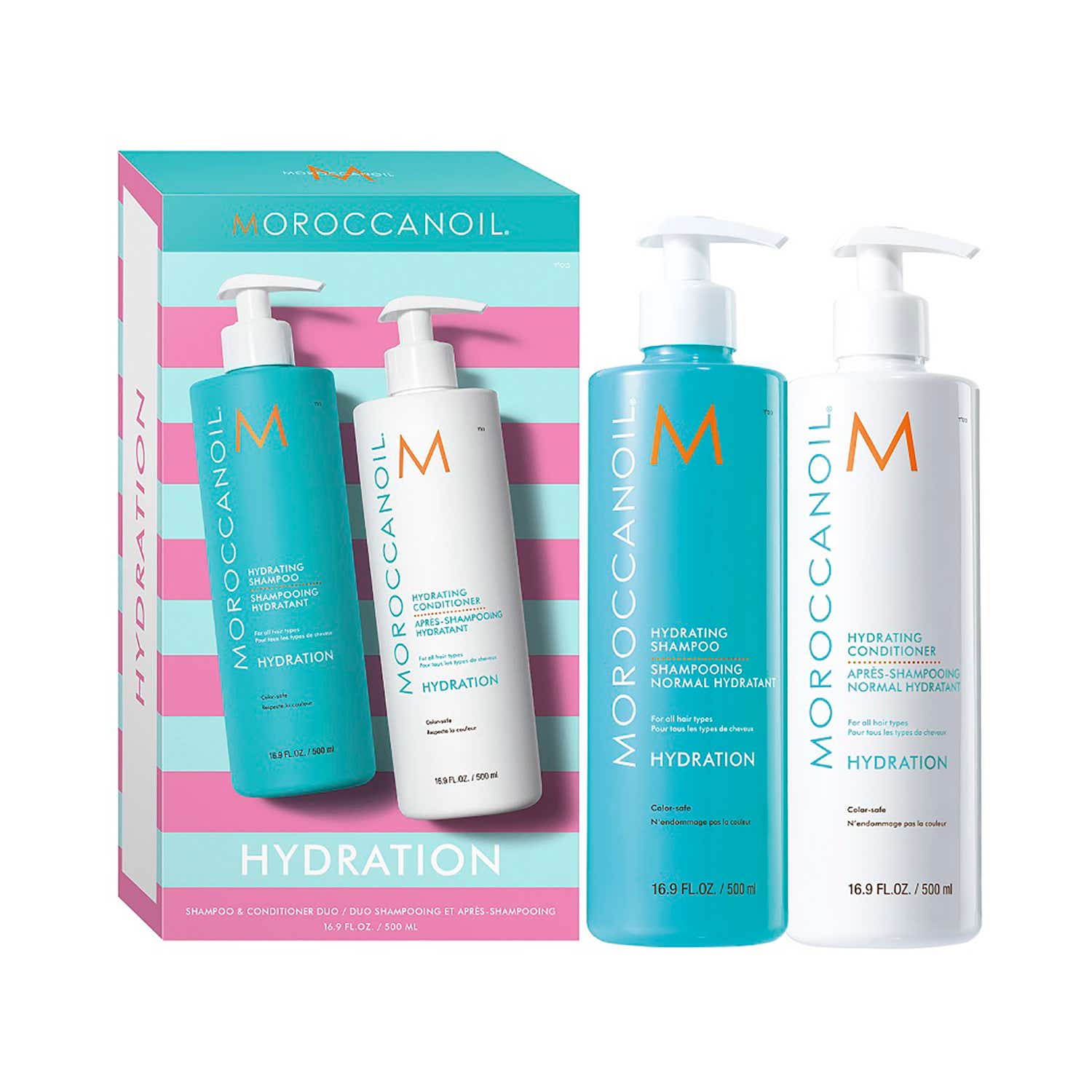
Wash 2 — Nourish: Follow up with a hydrating shampoo paired with a deep conditioning mask. This is where you put back what the clarifying wash removed. A mask delivers more concentrated moisture than a regular conditioner and is designed to sit on the hair for longer—use it here, not on every wash.
Wash 3 — Maintain: Your regular everyday shampoo and conditioner. Nothing too heavy, nothing too stripping. Just keeping things ticking along.
Stay consistent but stay flexible Give it at least four to six weeks before you judge the results. Your hair needs time to adjust, especially if you've been using heavy products for a while. If something isn't working—your scalp feels too dry or your hair still feels weighed down—adjust. The routine is a guide, not a rule.
Hair cycling is the practice of rotating different types of haircare treatments across your wash cycle rather than using the same products every single time. Think of it like a workout split for your hair—each wash day has a different routine and a different purpose.
The concept is borrowed from skin cycling, which took over social media a couple of years ago. Skin cycling involves alternating actives like retinol and exfoliants with recovery nights, so your skin gets the benefits without being overwhelmed. Hair cycling takes that same logic and applies it to your scalp and strands.
Most hair problems come down to imbalance, and hair cycling is designed to fix exactly that. The biggest culprit is buildup. If you're using a rich conditioner or leave-in treatment every wash without ever doing a proper cleanse, product residue sits on your scalp and weighs your hair down over time. On the flip side, if you're using a stripping shampoo too often, your scalp overcompensates by producing more oil—which only makes things worse.
Hair cycling solves this by giving your hair what it needs at the right time and in the right order. It's not about more products or a more complicated routine. It's just a more thoughtful one.
The short answer is: pretty much anyone. But it's especially worth trying if you're dealing with any of the following:
If your hair feels great and everything's working, there's no urgency to overhaul anything. But if something's been off, this is a good place to start.
There's no one-size-fits-all version of this—your cycle should fit your wash schedule and your specific hair concerns. Here's how to build one that actually works for you.
Figure out how often you wash Your routine needs to fit your schedule. If you wash three times a week, you have three slots to work with. If you wash once, you'll need to be more selective about which treatments you prioritise.
Identify your main concerns Is it dryness? Oiliness? Scalp issues? Lack of volume? Your concerns will shape which products make it into your rotation. Someone with a dry scalp and fine hair needs a very different cycle to someone with an oily scalp and thick coarse strands.
Build your rotation A basic cycle looks something like this—and these are the only products you actually need:
Wash 1 — Clarify: Start with a clarifying shampoo to deep clean your scalp and remove buildup from products, dry shampoo, hard water and excess oil. This is your reset wash. Look for something effective but not so harsh it leaves your hair feeling stripped—sulphate-free clarifying options are worth exploring if you have colour-treated or very dry hair. If scalp health is a priority, this is also a good day to use a scalp scrub or pre-wash treatment, when your follicles are clear and most receptive.
Wash 2 — Nourish: Follow up with a hydrating shampoo paired with a deep conditioning mask. This is where you put back what the clarifying wash removed. A mask delivers more concentrated moisture than a regular conditioner and is designed to sit on the hair for longer—use it here, not on every wash.
Wash 3 — Maintain: Your regular everyday shampoo and conditioner. Nothing too heavy, nothing too stripping. Just keeping things ticking along.
Stay consistent but stay flexible Give it at least four to six weeks before you judge the results. Your hair needs time to adjust, especially if you've been using heavy products for a while. If something isn't working—your scalp feels too dry or your hair still feels weighed down—adjust. The routine is a guide, not a rule.


Hair cycling is the practice of rotating different types of haircare treatments across your wash cycle rather than using the same products every single time. Think of it like a workout split for your hair—each wash day has a different routine and a different purpose.
The concept is borrowed from skin cycling, which took over social media a couple of years ago. Skin cycling involves alternating actives like retinol and exfoliants with recovery nights, so your skin gets the benefits without being overwhelmed. Hair cycling takes that same logic and applies it to your scalp and strands.
Most hair problems come down to imbalance, and hair cycling is designed to fix exactly that. The biggest culprit is buildup. If you're using a rich conditioner or leave-in treatment every wash without ever doing a proper cleanse, product residue sits on your scalp and weighs your hair down over time. On the flip side, if you're using a stripping shampoo too often, your scalp overcompensates by producing more oil—which only makes things worse.
Hair cycling solves this by giving your hair what it needs at the right time and in the right order. It's not about more products or a more complicated routine. It's just a more thoughtful one.
The short answer is: pretty much anyone. But it's especially worth trying if you're dealing with any of the following:
If your hair feels great and everything's working, there's no urgency to overhaul anything. But if something's been off, this is a good place to start.
There's no one-size-fits-all version of this—your cycle should fit your wash schedule and your specific hair concerns. Here's how to build one that actually works for you.
Figure out how often you wash Your routine needs to fit your schedule. If you wash three times a week, you have three slots to work with. If you wash once, you'll need to be more selective about which treatments you prioritise.
Identify your main concerns Is it dryness? Oiliness? Scalp issues? Lack of volume? Your concerns will shape which products make it into your rotation. Someone with a dry scalp and fine hair needs a very different cycle to someone with an oily scalp and thick coarse strands.
Build your rotation A basic cycle looks something like this—and these are the only products you actually need:
Wash 1 — Clarify: Start with a clarifying shampoo to deep clean your scalp and remove buildup from products, dry shampoo, hard water and excess oil. This is your reset wash. Look for something effective but not so harsh it leaves your hair feeling stripped—sulphate-free clarifying options are worth exploring if you have colour-treated or very dry hair. If scalp health is a priority, this is also a good day to use a scalp scrub or pre-wash treatment, when your follicles are clear and most receptive.
Wash 2 — Nourish: Follow up with a hydrating shampoo paired with a deep conditioning mask. This is where you put back what the clarifying wash removed. A mask delivers more concentrated moisture than a regular conditioner and is designed to sit on the hair for longer—use it here, not on every wash.
Wash 3 — Maintain: Your regular everyday shampoo and conditioner. Nothing too heavy, nothing too stripping. Just keeping things ticking along.
Stay consistent but stay flexible Give it at least four to six weeks before you judge the results. Your hair needs time to adjust, especially if you've been using heavy products for a while. If something isn't working—your scalp feels too dry or your hair still feels weighed down—adjust. The routine is a guide, not a rule.