
%20prep.png)
Ingredient Lab
There's a new hydrator on the block: polyglutamic acid
Read Now


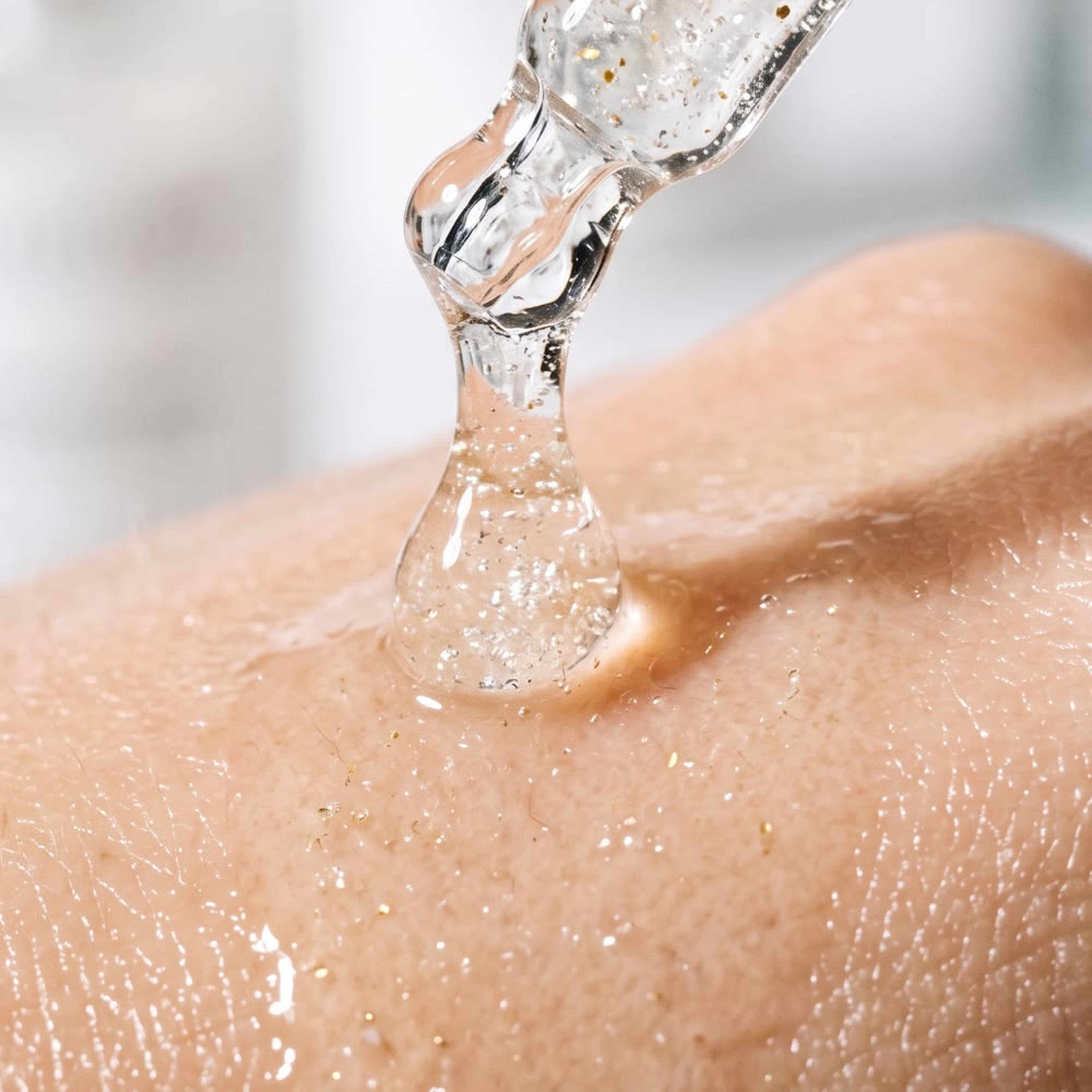

If you’ve bought a serum or essence in the last few years, chances are fermentation had something to do with it, even if the word never made it onto the front of the bottle. It’s usually sitting a few lines down on the ingredient list, next to a name you can’t quite pronounce—galactomyces, lactobacillus, bifida—followed by ‘ferment filtrate’ or ‘ferment extract’. Most people scroll past it. Which is a shame, because it’s often the ingredient doing the most interesting work in the formula.
The word itself makes people think of kombucha or kimchi, and that’s actually not far off. The idea is the same: take a raw ingredient, introduce yeast or bacteria, let them break it down over time, and what you’re left with is different, and in a lot of cases more useful, than what you started with. Skincare brands have just figured out how to bottle that process.


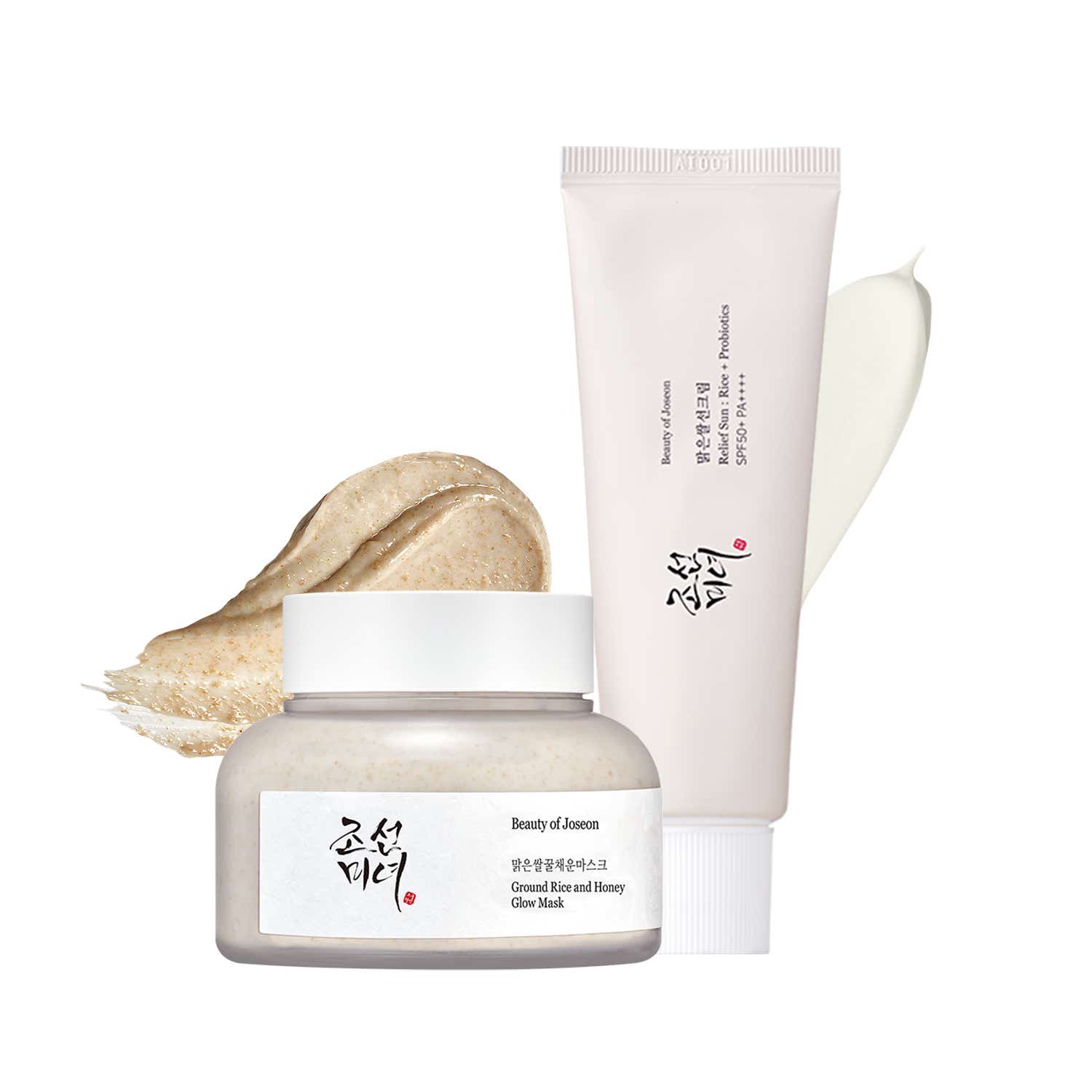
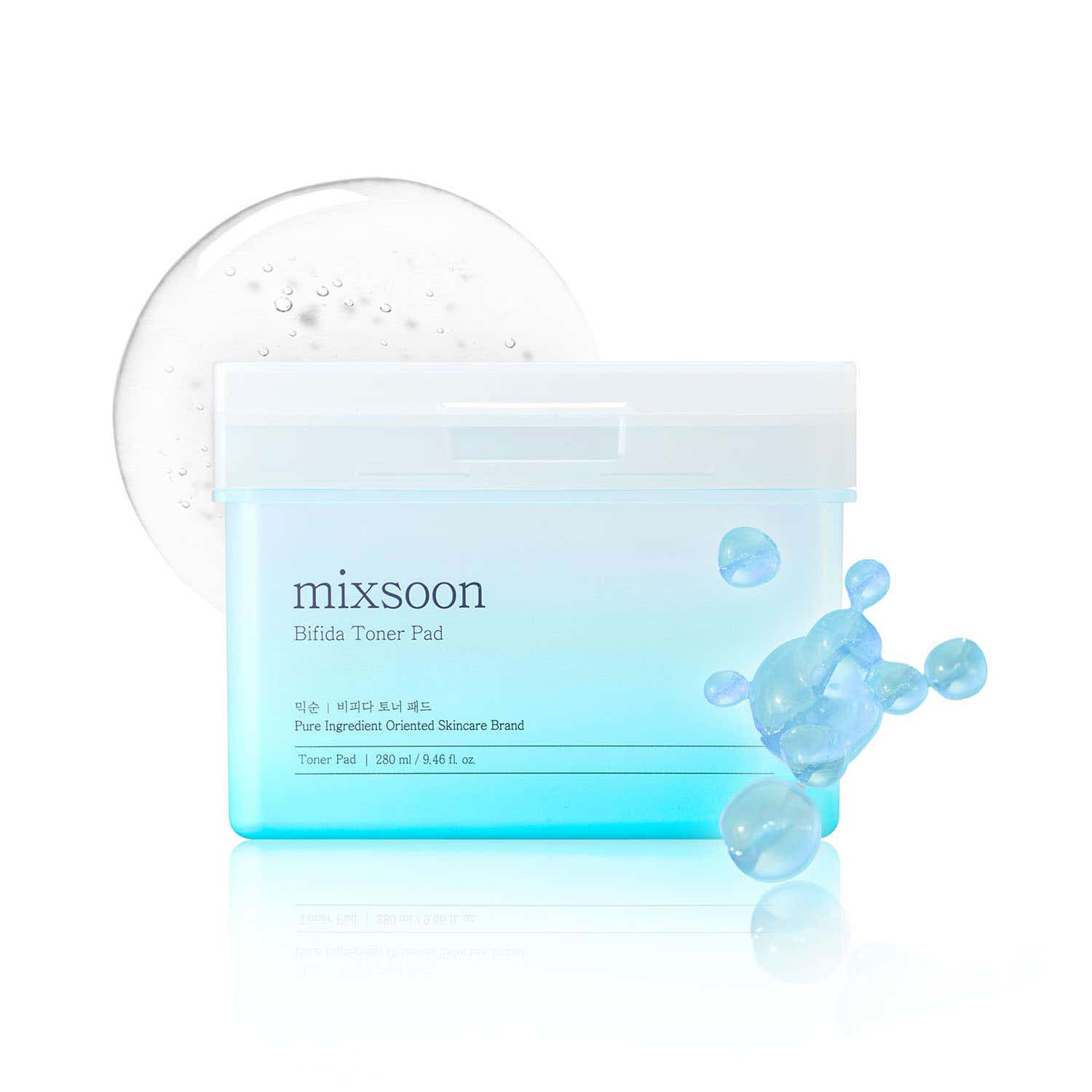
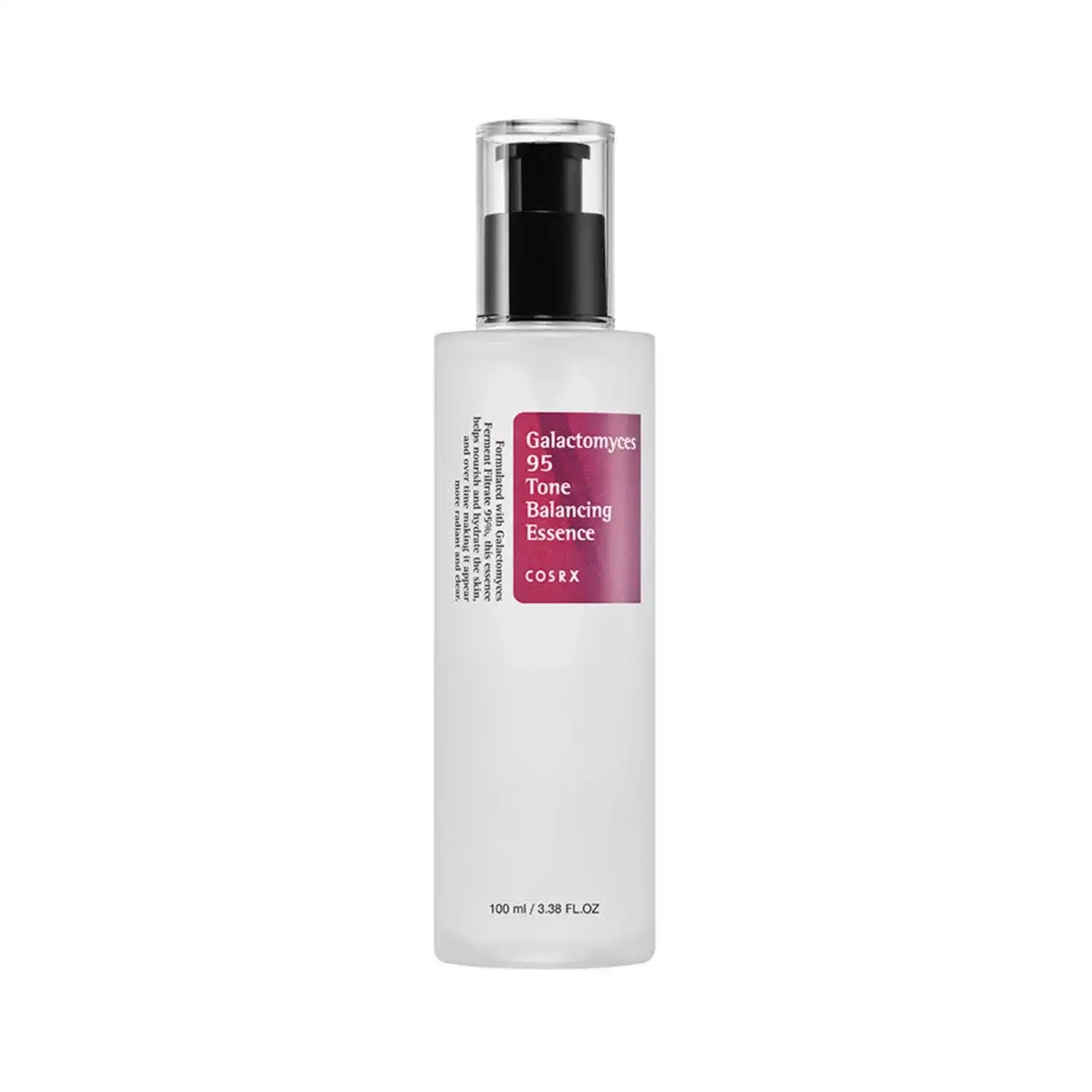
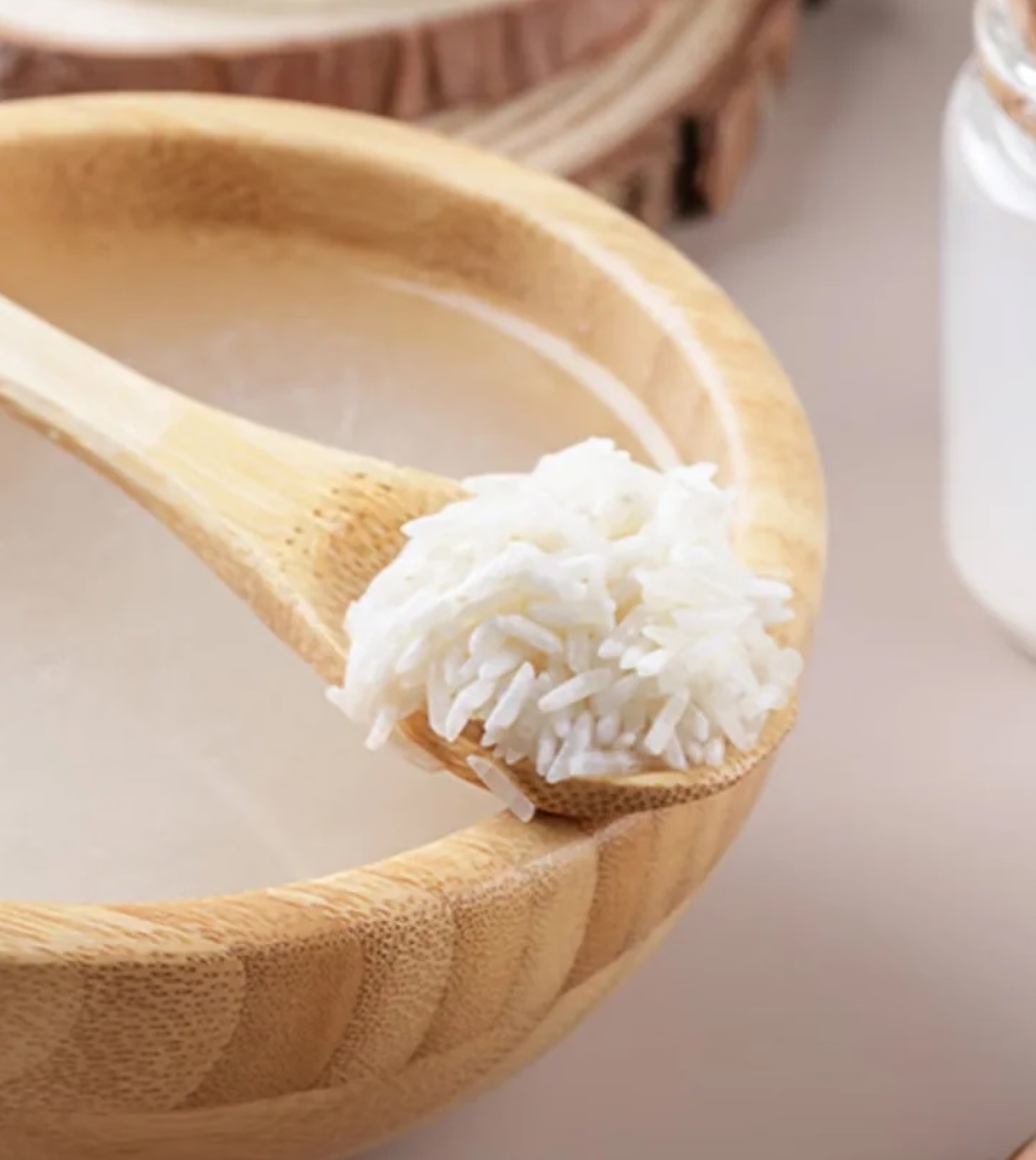
Dark spots, blemishes and hyperpigmentation? The Face Shop offers up the best-kept Korean secret on a platter—or in this case, in a skincare vial—with rice fermented for 28 days. The result is a cure-all solution that promises to halt hyperpigmentation in its tracks by reducing uneven patches and brightening the skin.
The story that gets told most often traces back to a sake brewery in Japan, where workers spent years with their hands submerged in fermenting rice. Their faces aged the way anyone’s would. But their hands didn’t. That gap was strange enough for researchers to take seriously, and after studying hundreds of yeast strains, they isolated the compound responsible: what’s now sold as pitera, or in ingredient-speak, galactomyces ferment filtrate. That one discovery is more or less what kicked off fermented skincare as a category. Whether the brewery story is exactly true or slightly embellished over the years, the science behind the ingredient itself checks out.
Strip away the branding and fermentation is just a chemical process: microorganisms—yeast, bacteria or fungi—feeding on a raw ingredient and breaking its larger molecules down into smaller, simpler ones. Send rice, soybean extract or a plant compound through that process and it comes out the other side with its proteins split into amino acids, its sugars simplified and its antioxidant content often higher than when it went in.
Two things about this matter for your skin. The first is size. Anything above roughly 500 Daltons in molecular weight can’t get past the skin’s outer barrier—it just sits on top, doing very little. Fermentation shrinks molecules down below that threshold, so more of what’s in the bottle can be absorbed instead of evaporating off the surface. The second is what fermentation leaves behind: postbiotics, the peptides, enzymes and short-chain fatty acids that microorganisms produce as they work. These act like food for the good bacteria already living on your skin, rather than introducing anything your skin has to get used to.
Fermented ingredients are particularly good at two things: boosting the skin’s own moisture reserves and calming oxidative stress from pollution or sun exposure. That’s why ferment filtrates turn up constantly in essences, toners and hydrating serums, and rarely in something like a sunscreen. They also tend to sit more comfortably on reactive or easily irritated skin than their unfermented versions.
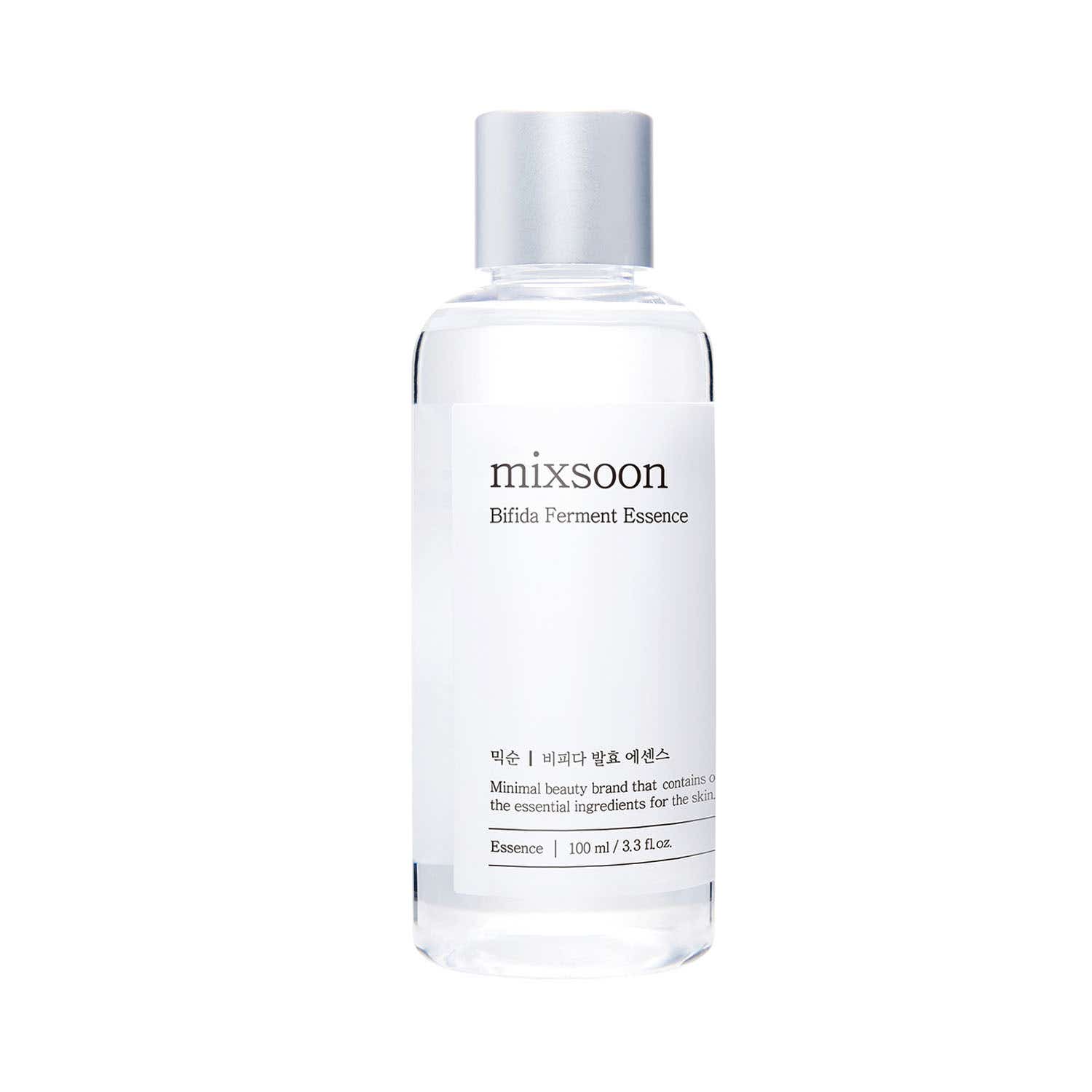
Look for ‘ferment filtrate’, ‘ferment extract’ or ‘ferment lysate’, usually paired with a source name—galactomyces, saccharomyces, lactobacillus and bifida are the most common. If one of these shows up in the first half of an ingredient list, it’s not there for the label. It’s doing real work in the formula.
Ferment-led products tend to earn their place at the essence or toner step, right after cleansing and before your actives—think of it as softening the skin so what comes next can sink in. Layering a fermented essence under vitamin C or retinol can also take some of the sting out of those actives, since the postbiotics support the barrier while the active gets to work.
None of this makes fermentation a replacement for your actives, and it’s certainly not a substitute for SPF or a moisturiser. What it does is make certain ingredients easier for skin to use, and gentler while they’re at it—which is reason enough to stop scrolling past it on the label.
The story that gets told most often traces back to a sake brewery in Japan, where workers spent years with their hands submerged in fermenting rice. Their faces aged the way anyone’s would. But their hands didn’t. That gap was strange enough for researchers to take seriously, and after studying hundreds of yeast strains, they isolated the compound responsible: what’s now sold as pitera, or in ingredient-speak, galactomyces ferment filtrate. That one discovery is more or less what kicked off fermented skincare as a category. Whether the brewery story is exactly true or slightly embellished over the years, the science behind the ingredient itself checks out.
Strip away the branding and fermentation is just a chemical process: microorganisms—yeast, bacteria or fungi—feeding on a raw ingredient and breaking its larger molecules down into smaller, simpler ones. Send rice, soybean extract or a plant compound through that process and it comes out the other side with its proteins split into amino acids, its sugars simplified and its antioxidant content often higher than when it went in.
Two things about this matter for your skin. The first is size. Anything above roughly 500 Daltons in molecular weight can’t get past the skin’s outer barrier—it just sits on top, doing very little. Fermentation shrinks molecules down below that threshold, so more of what’s in the bottle can be absorbed instead of evaporating off the surface. The second is what fermentation leaves behind: postbiotics, the peptides, enzymes and short-chain fatty acids that microorganisms produce as they work. These act like food for the good bacteria already living on your skin, rather than introducing anything your skin has to get used to.
Fermented ingredients are particularly good at two things: boosting the skin’s own moisture reserves and calming oxidative stress from pollution or sun exposure. That’s why ferment filtrates turn up constantly in essences, toners and hydrating serums, and rarely in something like a sunscreen. They also tend to sit more comfortably on reactive or easily irritated skin than their unfermented versions.
Look for ‘ferment filtrate’, ‘ferment extract’ or ‘ferment lysate’, usually paired with a source name—galactomyces, saccharomyces, lactobacillus and bifida are the most common. If one of these shows up in the first half of an ingredient list, it’s not there for the label. It’s doing real work in the formula.
Ferment-led products tend to earn their place at the essence or toner step, right after cleansing and before your actives—think of it as softening the skin so what comes next can sink in. Layering a fermented essence under vitamin C or retinol can also take some of the sting out of those actives, since the postbiotics support the barrier while the active gets to work.
None of this makes fermentation a replacement for your actives, and it’s certainly not a substitute for SPF or a moisturiser. What it does is make certain ingredients easier for skin to use, and gentler while they’re at it—which is reason enough to stop scrolling past it on the label.
The story that gets told most often traces back to a sake brewery in Japan, where workers spent years with their hands submerged in fermenting rice. Their faces aged the way anyone’s would. But their hands didn’t. That gap was strange enough for researchers to take seriously, and after studying hundreds of yeast strains, they isolated the compound responsible: what’s now sold as pitera, or in ingredient-speak, galactomyces ferment filtrate. That one discovery is more or less what kicked off fermented skincare as a category. Whether the brewery story is exactly true or slightly embellished over the years, the science behind the ingredient itself checks out.
Strip away the branding and fermentation is just a chemical process: microorganisms—yeast, bacteria or fungi—feeding on a raw ingredient and breaking its larger molecules down into smaller, simpler ones. Send rice, soybean extract or a plant compound through that process and it comes out the other side with its proteins split into amino acids, its sugars simplified and its antioxidant content often higher than when it went in.
Two things about this matter for your skin. The first is size. Anything above roughly 500 Daltons in molecular weight can’t get past the skin’s outer barrier—it just sits on top, doing very little. Fermentation shrinks molecules down below that threshold, so more of what’s in the bottle can be absorbed instead of evaporating off the surface. The second is what fermentation leaves behind: postbiotics, the peptides, enzymes and short-chain fatty acids that microorganisms produce as they work. These act like food for the good bacteria already living on your skin, rather than introducing anything your skin has to get used to.
Fermented ingredients are particularly good at two things: boosting the skin’s own moisture reserves and calming oxidative stress from pollution or sun exposure. That’s why ferment filtrates turn up constantly in essences, toners and hydrating serums, and rarely in something like a sunscreen. They also tend to sit more comfortably on reactive or easily irritated skin than their unfermented versions.
Look for ‘ferment filtrate’, ‘ferment extract’ or ‘ferment lysate’, usually paired with a source name—galactomyces, saccharomyces, lactobacillus and bifida are the most common. If one of these shows up in the first half of an ingredient list, it’s not there for the label. It’s doing real work in the formula.
Ferment-led products tend to earn their place at the essence or toner step, right after cleansing and before your actives—think of it as softening the skin so what comes next can sink in. Layering a fermented essence under vitamin C or retinol can also take some of the sting out of those actives, since the postbiotics support the barrier while the active gets to work.
None of this makes fermentation a replacement for your actives, and it’s certainly not a substitute for SPF or a moisturiser. What it does is make certain ingredients easier for skin to use, and gentler while they’re at it—which is reason enough to stop scrolling past it on the label.


The story that gets told most often traces back to a sake brewery in Japan, where workers spent years with their hands submerged in fermenting rice. Their faces aged the way anyone’s would. But their hands didn’t. That gap was strange enough for researchers to take seriously, and after studying hundreds of yeast strains, they isolated the compound responsible: what’s now sold as pitera, or in ingredient-speak, galactomyces ferment filtrate. That one discovery is more or less what kicked off fermented skincare as a category. Whether the brewery story is exactly true or slightly embellished over the years, the science behind the ingredient itself checks out.
Strip away the branding and fermentation is just a chemical process: microorganisms—yeast, bacteria or fungi—feeding on a raw ingredient and breaking its larger molecules down into smaller, simpler ones. Send rice, soybean extract or a plant compound through that process and it comes out the other side with its proteins split into amino acids, its sugars simplified and its antioxidant content often higher than when it went in.
Two things about this matter for your skin. The first is size. Anything above roughly 500 Daltons in molecular weight can’t get past the skin’s outer barrier—it just sits on top, doing very little. Fermentation shrinks molecules down below that threshold, so more of what’s in the bottle can be absorbed instead of evaporating off the surface. The second is what fermentation leaves behind: postbiotics, the peptides, enzymes and short-chain fatty acids that microorganisms produce as they work. These act like food for the good bacteria already living on your skin, rather than introducing anything your skin has to get used to.
Fermented ingredients are particularly good at two things: boosting the skin’s own moisture reserves and calming oxidative stress from pollution or sun exposure. That’s why ferment filtrates turn up constantly in essences, toners and hydrating serums, and rarely in something like a sunscreen. They also tend to sit more comfortably on reactive or easily irritated skin than their unfermented versions.
Look for ‘ferment filtrate’, ‘ferment extract’ or ‘ferment lysate’, usually paired with a source name—galactomyces, saccharomyces, lactobacillus and bifida are the most common. If one of these shows up in the first half of an ingredient list, it’s not there for the label. It’s doing real work in the formula.
Ferment-led products tend to earn their place at the essence or toner step, right after cleansing and before your actives—think of it as softening the skin so what comes next can sink in. Layering a fermented essence under vitamin C or retinol can also take some of the sting out of those actives, since the postbiotics support the barrier while the active gets to work.
None of this makes fermentation a replacement for your actives, and it’s certainly not a substitute for SPF or a moisturiser. What it does is make certain ingredients easier for skin to use, and gentler while they’re at it—which is reason enough to stop scrolling past it on the label.