

Rituals
Everything you need to know about hair cycling
Read Now


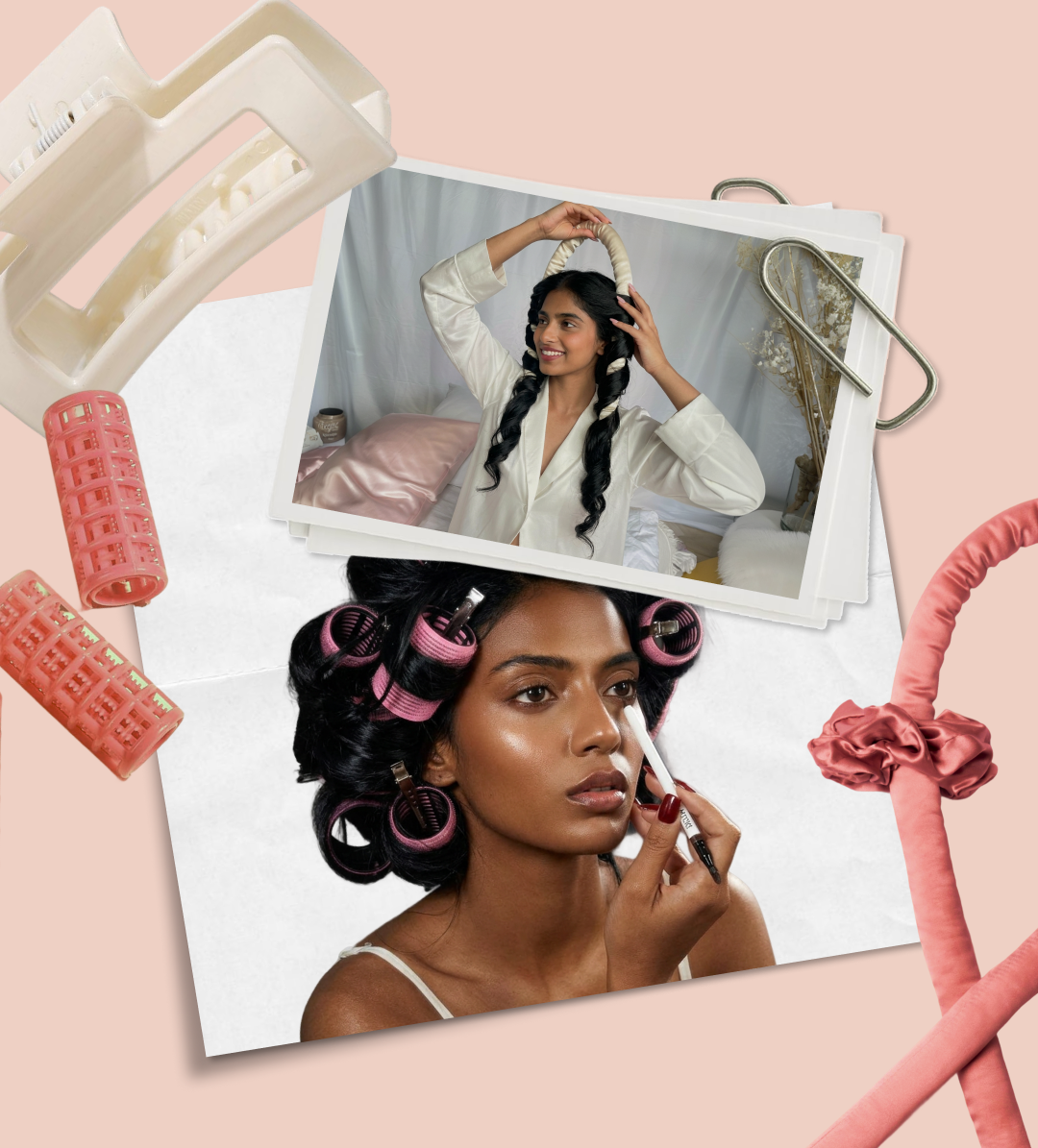

Summer is the season of sun-kissed skin, iced drinks and hair that’s already working overtime. Between UV exposure, humidity and salty swims, your strands are putting in serious effort—the last thing they need is a scorching curling iron on top of all that. The good news? Bouncy curls require zero degrees of heat.
Heatless curling methods have had a significant moment recently, and for good reason: they’re kinder to your hair, easier than they look and—once you nail your technique—they actually last. Here’s everything you need to know.

The damage case against heat styling goes well beyond the surface. Temperatures above 180°C disrupt the keratin bonds that give hair its structure and strength, leading over time to breakage, split ends and a persistent frizzy halo. High heat also strips moisture from the hair shaft, leaving strands brittle and dull—the opposite of the summer look you’re going for. If you colour your hair, heat accelerates fading, meaning heatless methods can extend the life of your salon appointment.
Then there’s the curl quality itself. Heatless curls often have more defined, natural-looking texture than heat-styled ones, because the shape sets slowly and uniformly as hair dries rather than being forced into form under pressure.
No matter which method you choose, a few fundamentals apply across the board. Start with clean, conditioned hair—product buildup and excess oil weigh hair down and prevent curls from forming properly. Wash, condition and towel-dry before you begin.
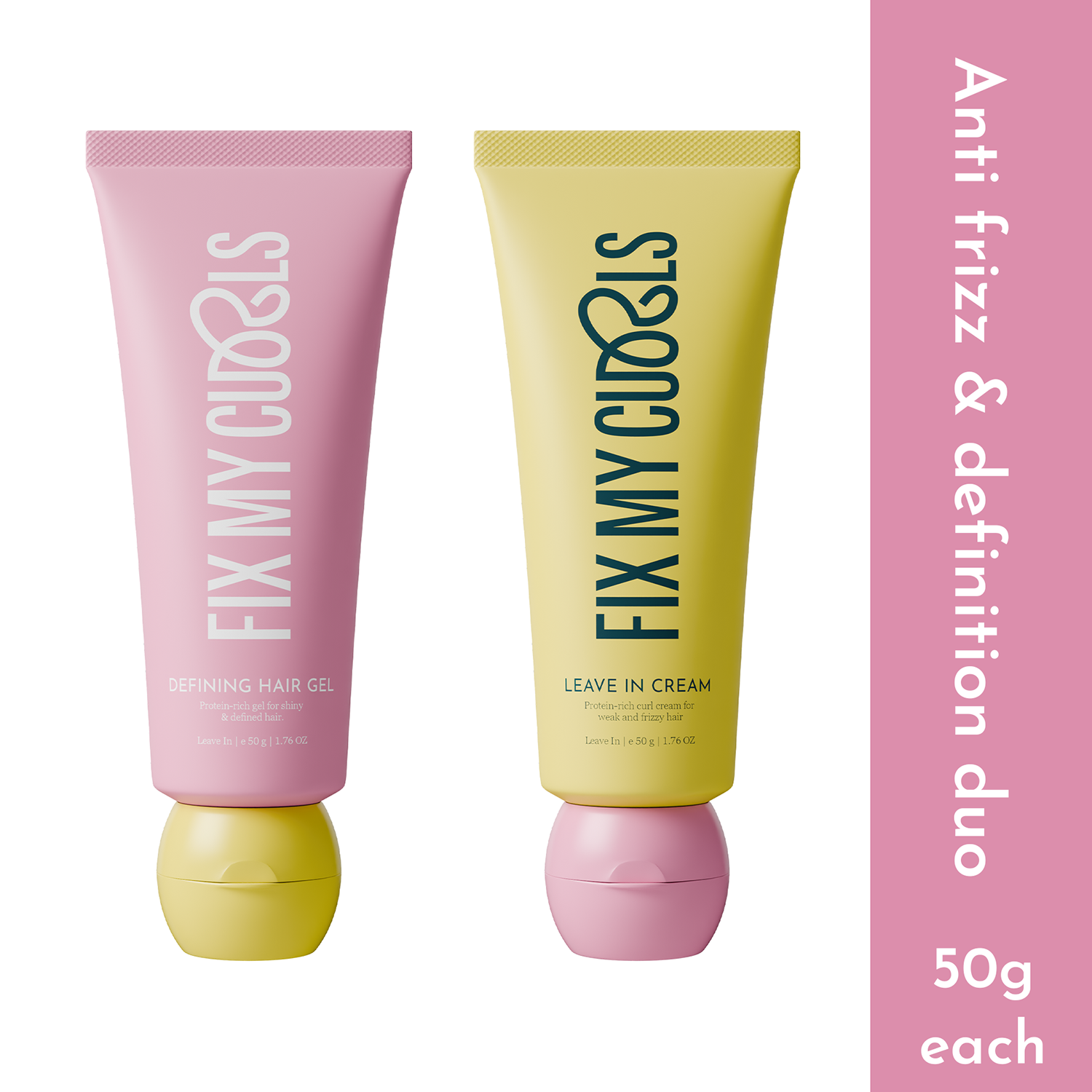
Damp is your sweet spot: hair should be around 70–80% dry, not soaking wet and not fully dry. Wet hair stretches and can snap under tension; dry hair won’t hold a new shape. Work a light mousse, curl cream or setting spray through your lengths from mid-ends to help the style hold.
Most importantly, be patient. Heatless curls need time—they’re ideally set overnight. Rushing the process means limp, half-formed waves. And resist touching them until they’re completely dry; any interference before they’ve fully set will compromise the result.
Different techniques produce different results. Here’s a breakdown of the most effective methods and who they work best for.
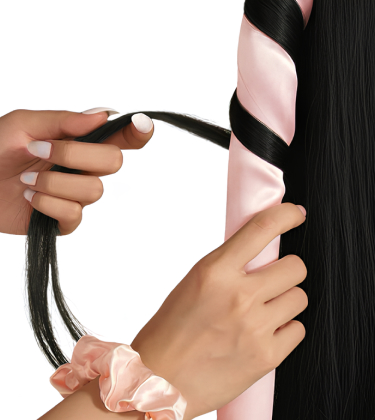
This is the most talked-about heatless method right now, and it earns the attention. A silk ribbon is tied at the crown, then sections of hair are wrapped around it in a figure-eight pattern, producing soft, voluminous waves with a romantic, undone quality. Silk is also gentle on strands, so expect no breakage or frizz.
Best for: Medium to long hair. Straight, wavy and lightly textured hair
The oldest trick in the book and still one of the most effective, is braiding. Results vary depending on technique: larger, looser braids give wide beachy waves; smaller, tighter braids produce defined, crimped texture. Dutch braids add volume at the root.
Best for: All hair types and lengths
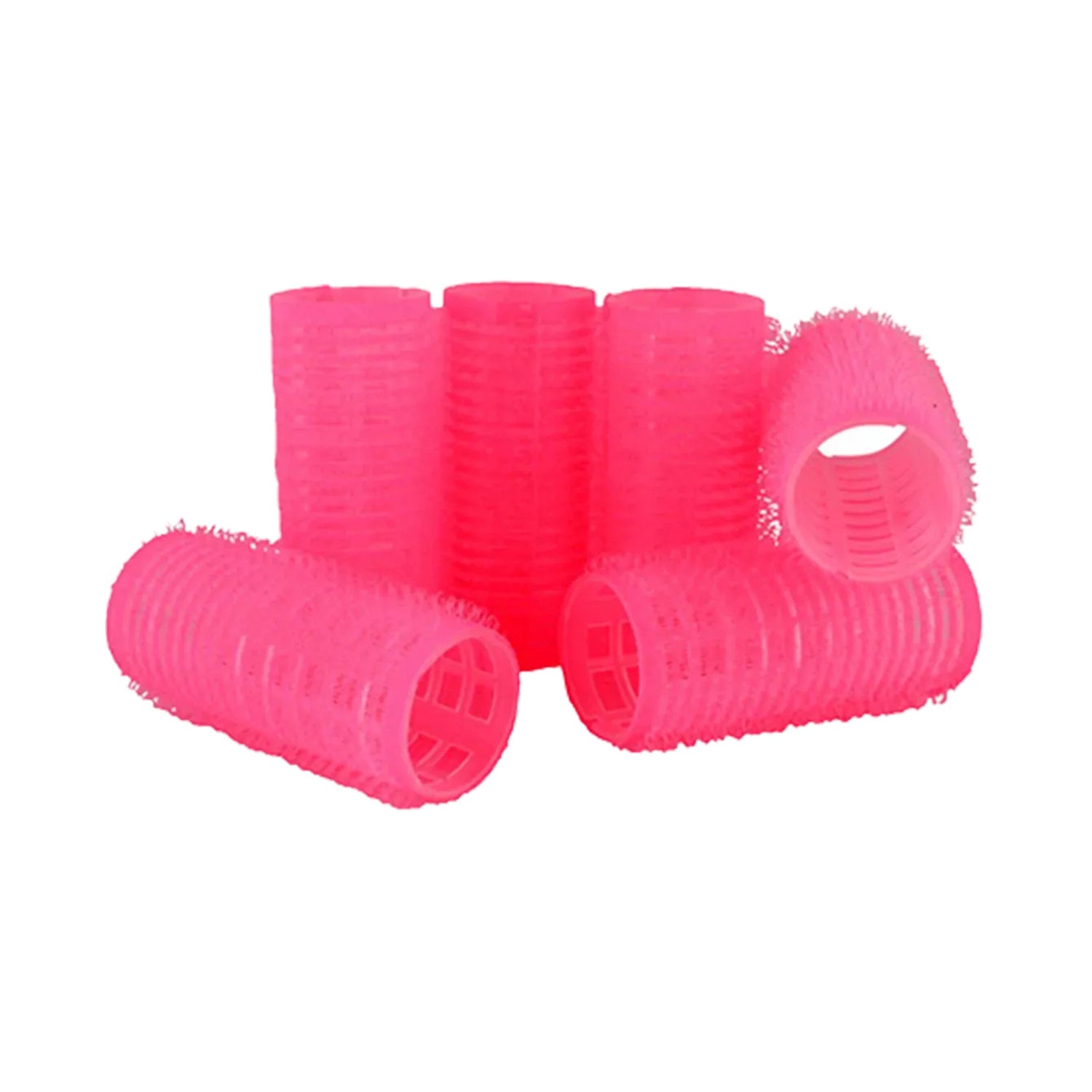
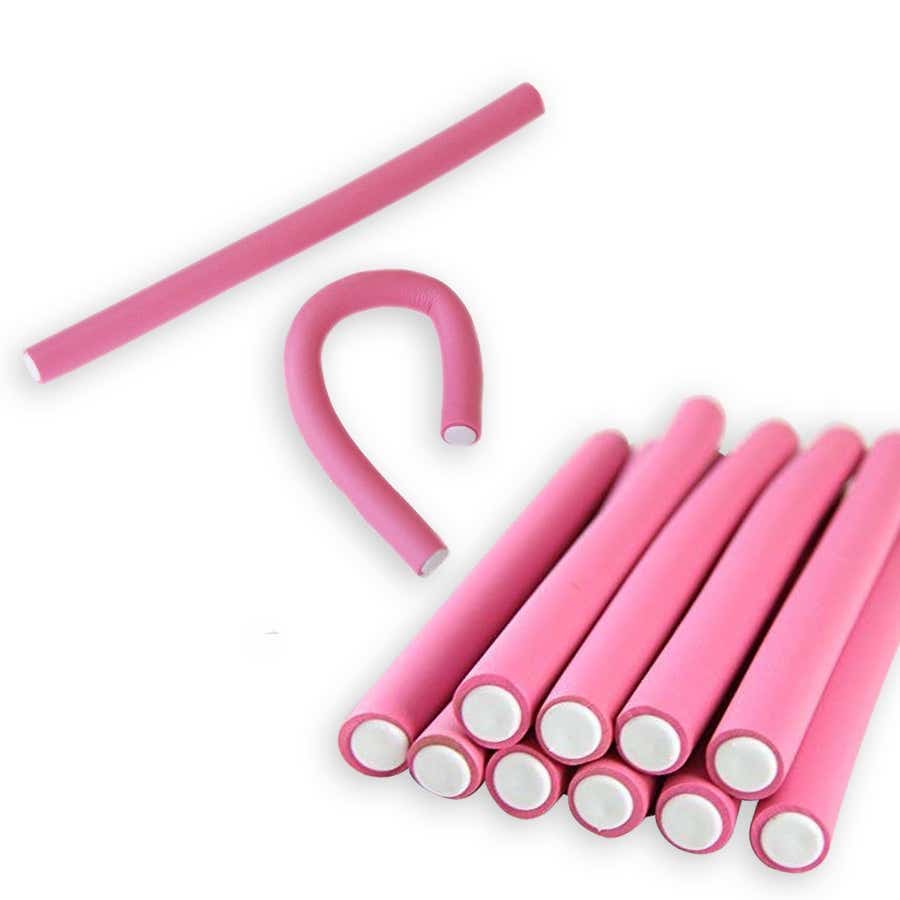
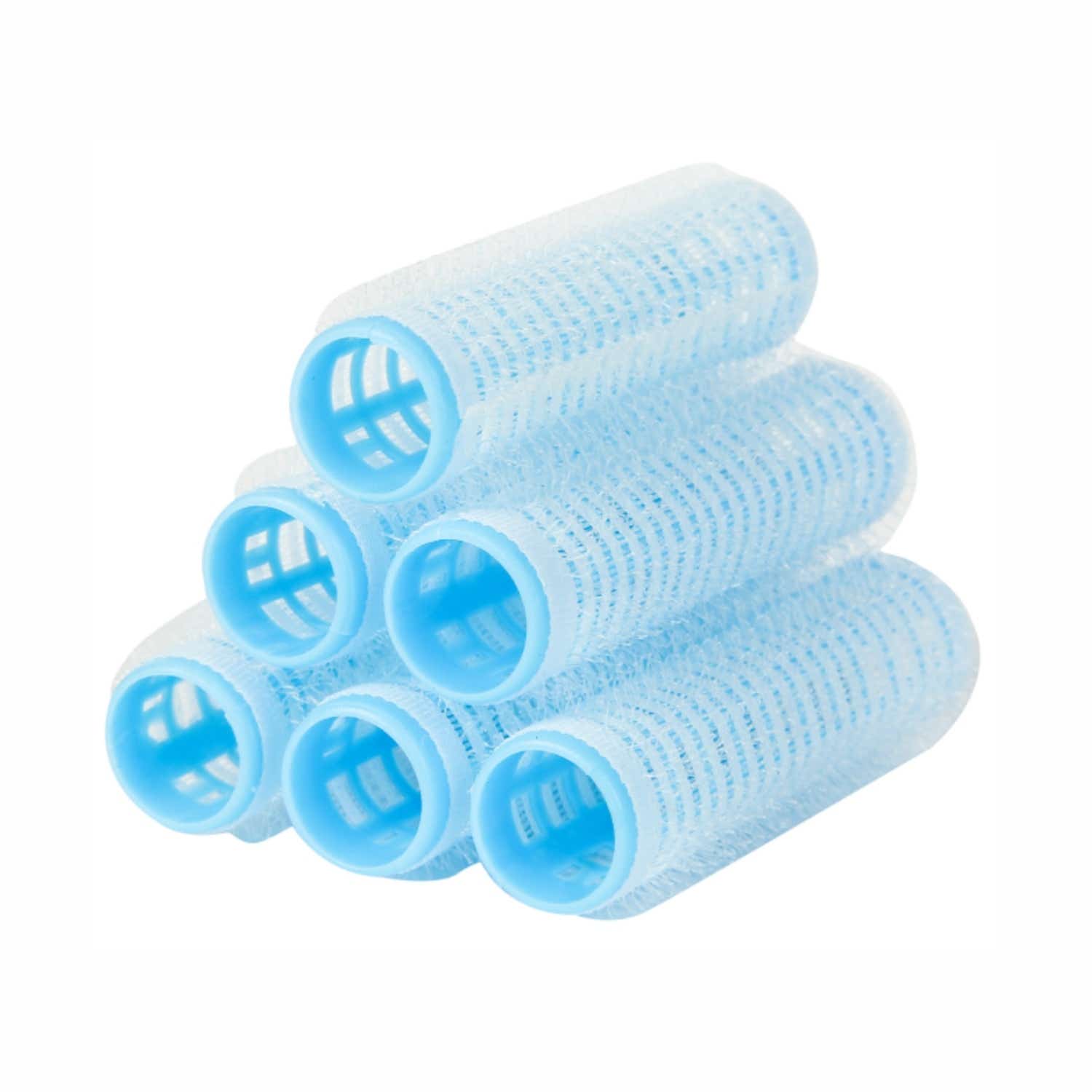
For more structured, defined curls rather than waves, rollers are the answer. Foam rollers are soft enough to sleep in; flexi-rods give extra definition and work well on shorter hair. Both are gentle, reusable and very effective.
Best for: Short to medium hair; curly and coily types looking to define their curl pattern
This is a protective style rooted in African hair tradition and one of the most effective methods for creating defined, springy curls on naturally textured hair. Hair is twisted and coiled into small knots at the scalp, then released to reveal beautiful spiral curls that can be worn as-is or gently separated for a fuller look.
Best for: Type 3 and Type 4 hair (curly, coily, kinky). Medium to long natural hair
This is a classic technique that has been delivering glamorous curls since the 1920s and still holds up. Small sections of hair are wound into flat circles against the scalp and secured with bobby pins or clips. When released, they produce tight, defined ringlets or soft vintage waves depending on section size and how you choose to separate them.
To extend the style to day two, gather hair loosely at the crown in a ‘pineapple’ before bed, then mist with a curl refreshing spray in the morning and scrunch gently. Brushing is off the table entirely— our fingers are the only tool you need.
Best for: Short to medium hair. Particularly effective for fine hair that struggles to hold other heatless methods
The damage case against heat styling goes well beyond the surface. Temperatures above 180°C disrupt the keratin bonds that give hair its structure and strength, leading over time to breakage, split ends and a persistent frizzy halo. High heat also strips moisture from the hair shaft, leaving strands brittle and dull—the opposite of the summer look you’re going for. If you colour your hair, heat accelerates fading, meaning heatless methods can extend the life of your salon appointment.
Then there’s the curl quality itself. Heatless curls often have more defined, natural-looking texture than heat-styled ones, because the shape sets slowly and uniformly as hair dries rather than being forced into form under pressure.
No matter which method you choose, a few fundamentals apply across the board. Start with clean, conditioned hair—product buildup and excess oil weigh hair down and prevent curls from forming properly. Wash, condition and towel-dry before you begin.
Damp is your sweet spot: hair should be around 70–80% dry, not soaking wet and not fully dry. Wet hair stretches and can snap under tension; dry hair won’t hold a new shape. Work a light mousse, curl cream or setting spray through your lengths from mid-ends to help the style hold.
Most importantly, be patient. Heatless curls need time—they’re ideally set overnight. Rushing the process means limp, half-formed waves. And resist touching them until they’re completely dry; any interference before they’ve fully set will compromise the result.
Different techniques produce different results. Here’s a breakdown of the most effective methods and who they work best for.
This is the most talked-about heatless method right now, and it earns the attention. A silk ribbon is tied at the crown, then sections of hair are wrapped around it in a figure-eight pattern, producing soft, voluminous waves with a romantic, undone quality. Silk is also gentle on strands, so expect no breakage or frizz.
Best for: Medium to long hair. Straight, wavy and lightly textured hair
The oldest trick in the book and still one of the most effective, is braiding. Results vary depending on technique: larger, looser braids give wide beachy waves; smaller, tighter braids produce defined, crimped texture. Dutch braids add volume at the root.
Best for: All hair types and lengths
For more structured, defined curls rather than waves, rollers are the answer. Foam rollers are soft enough to sleep in; flexi-rods give extra definition and work well on shorter hair. Both are gentle, reusable and very effective.
Best for: Short to medium hair; curly and coily types looking to define their curl pattern
This is a protective style rooted in African hair tradition and one of the most effective methods for creating defined, springy curls on naturally textured hair. Hair is twisted and coiled into small knots at the scalp, then released to reveal beautiful spiral curls that can be worn as-is or gently separated for a fuller look.
Best for: Type 3 and Type 4 hair (curly, coily, kinky). Medium to long natural hair
This is a classic technique that has been delivering glamorous curls since the 1920s and still holds up. Small sections of hair are wound into flat circles against the scalp and secured with bobby pins or clips. When released, they produce tight, defined ringlets or soft vintage waves depending on section size and how you choose to separate them.
To extend the style to day two, gather hair loosely at the crown in a ‘pineapple’ before bed, then mist with a curl refreshing spray in the morning and scrunch gently. Brushing is off the table entirely— our fingers are the only tool you need.
Best for: Short to medium hair. Particularly effective for fine hair that struggles to hold other heatless methods


The damage case against heat styling goes well beyond the surface. Temperatures above 180°C disrupt the keratin bonds that give hair its structure and strength, leading over time to breakage, split ends and a persistent frizzy halo. High heat also strips moisture from the hair shaft, leaving strands brittle and dull—the opposite of the summer look you’re going for. If you colour your hair, heat accelerates fading, meaning heatless methods can extend the life of your salon appointment.
Then there’s the curl quality itself. Heatless curls often have more defined, natural-looking texture than heat-styled ones, because the shape sets slowly and uniformly as hair dries rather than being forced into form under pressure.
No matter which method you choose, a few fundamentals apply across the board. Start with clean, conditioned hair—product buildup and excess oil weigh hair down and prevent curls from forming properly. Wash, condition and towel-dry before you begin.
Damp is your sweet spot: hair should be around 70–80% dry, not soaking wet and not fully dry. Wet hair stretches and can snap under tension; dry hair won’t hold a new shape. Work a light mousse, curl cream or setting spray through your lengths from mid-ends to help the style hold.
Most importantly, be patient. Heatless curls need time—they’re ideally set overnight. Rushing the process means limp, half-formed waves. And resist touching them until they’re completely dry; any interference before they’ve fully set will compromise the result.
Different techniques produce different results. Here’s a breakdown of the most effective methods and who they work best for.
This is the most talked-about heatless method right now, and it earns the attention. A silk ribbon is tied at the crown, then sections of hair are wrapped around it in a figure-eight pattern, producing soft, voluminous waves with a romantic, undone quality. Silk is also gentle on strands, so expect no breakage or frizz.
Best for: Medium to long hair. Straight, wavy and lightly textured hair
The oldest trick in the book and still one of the most effective, is braiding. Results vary depending on technique: larger, looser braids give wide beachy waves; smaller, tighter braids produce defined, crimped texture. Dutch braids add volume at the root.
Best for: All hair types and lengths
For more structured, defined curls rather than waves, rollers are the answer. Foam rollers are soft enough to sleep in; flexi-rods give extra definition and work well on shorter hair. Both are gentle, reusable and very effective.
Best for: Short to medium hair; curly and coily types looking to define their curl pattern
This is a protective style rooted in African hair tradition and one of the most effective methods for creating defined, springy curls on naturally textured hair. Hair is twisted and coiled into small knots at the scalp, then released to reveal beautiful spiral curls that can be worn as-is or gently separated for a fuller look.
Best for: Type 3 and Type 4 hair (curly, coily, kinky). Medium to long natural hair
This is a classic technique that has been delivering glamorous curls since the 1920s and still holds up. Small sections of hair are wound into flat circles against the scalp and secured with bobby pins or clips. When released, they produce tight, defined ringlets or soft vintage waves depending on section size and how you choose to separate them.
To extend the style to day two, gather hair loosely at the crown in a ‘pineapple’ before bed, then mist with a curl refreshing spray in the morning and scrunch gently. Brushing is off the table entirely— our fingers are the only tool you need.
Best for: Short to medium hair. Particularly effective for fine hair that struggles to hold other heatless methods